
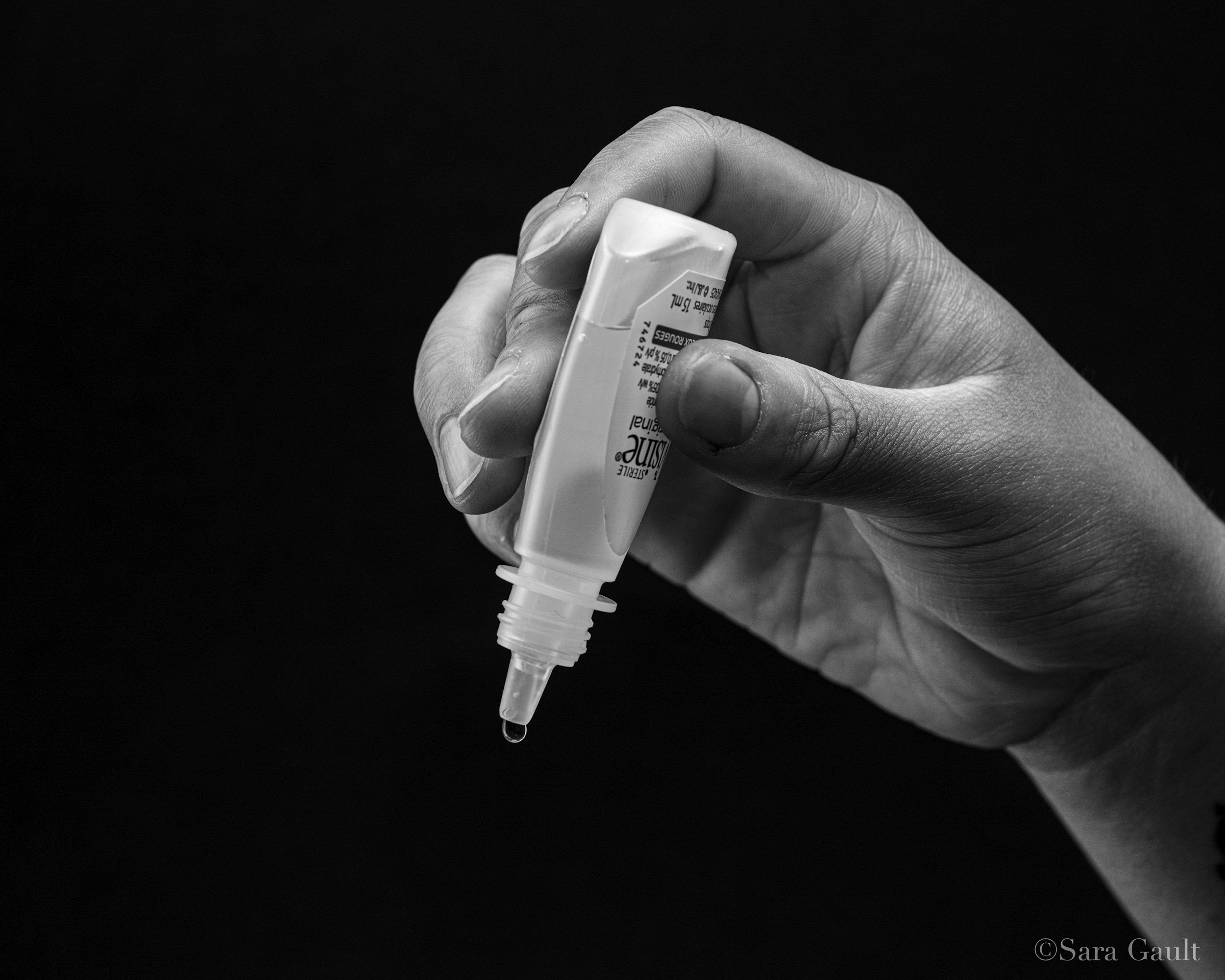
What are atropine eye drops for myopia control and are they safe?
Low-dose atropine eye drops (0.01 to 0.05 percent) are an evidence-based myopia control treatment that slows axial elongation by 50 to 77 percent with minimal side effects, and they are considered safe for long-term use in children when monitored by a qualified optometrist.
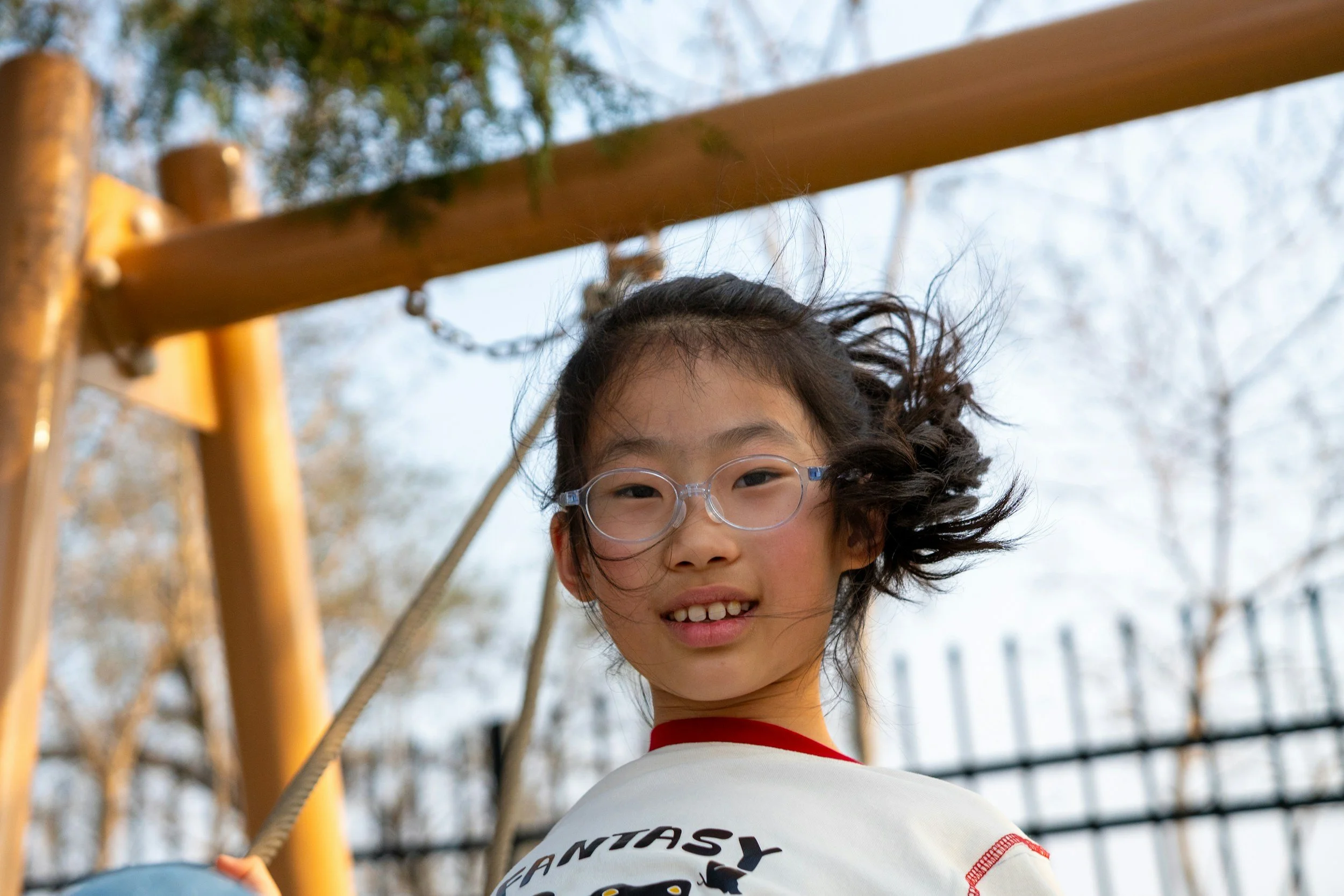
What are Stellest lenses and how do they slow myopia progression?
Stellest lenses are prescription eyeglass lenses containing hundreds of micro-lenslets that create a myopic defocus signal in the peripheral retina, slowing the eye's axial growth and reducing myopia progression by an average of 67 percent.
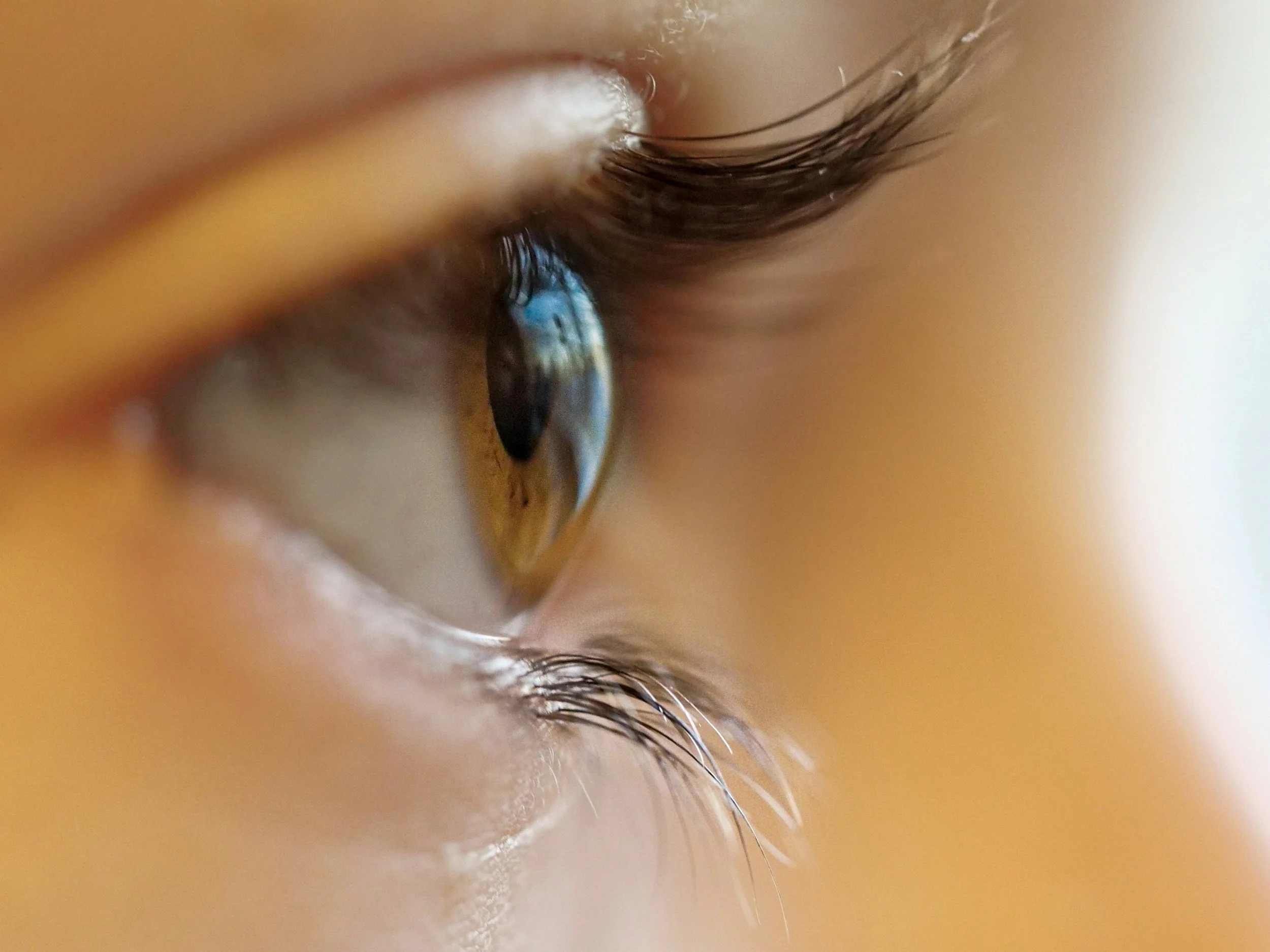
What is orthokeratology (Ortho-K) and is it safe for children?
Orthokeratology involves wearing specially designed contact lenses overnight to reshape the cornea and provide clear daytime vision without glasses, and decades of research confirm it is safe for children while also effectively slowing myopia progression.

What are MiSight contact lenses and how do they control myopia?
MiSight 1-day contact lenses are FDA-approved daily disposable lenses that simultaneously correct myopia and slow its progression by creating a peripheral myopic defocus signal, with clinical trials showing an average 59 percent reduction in progression over three years.
What are the best myopia control options for my child?
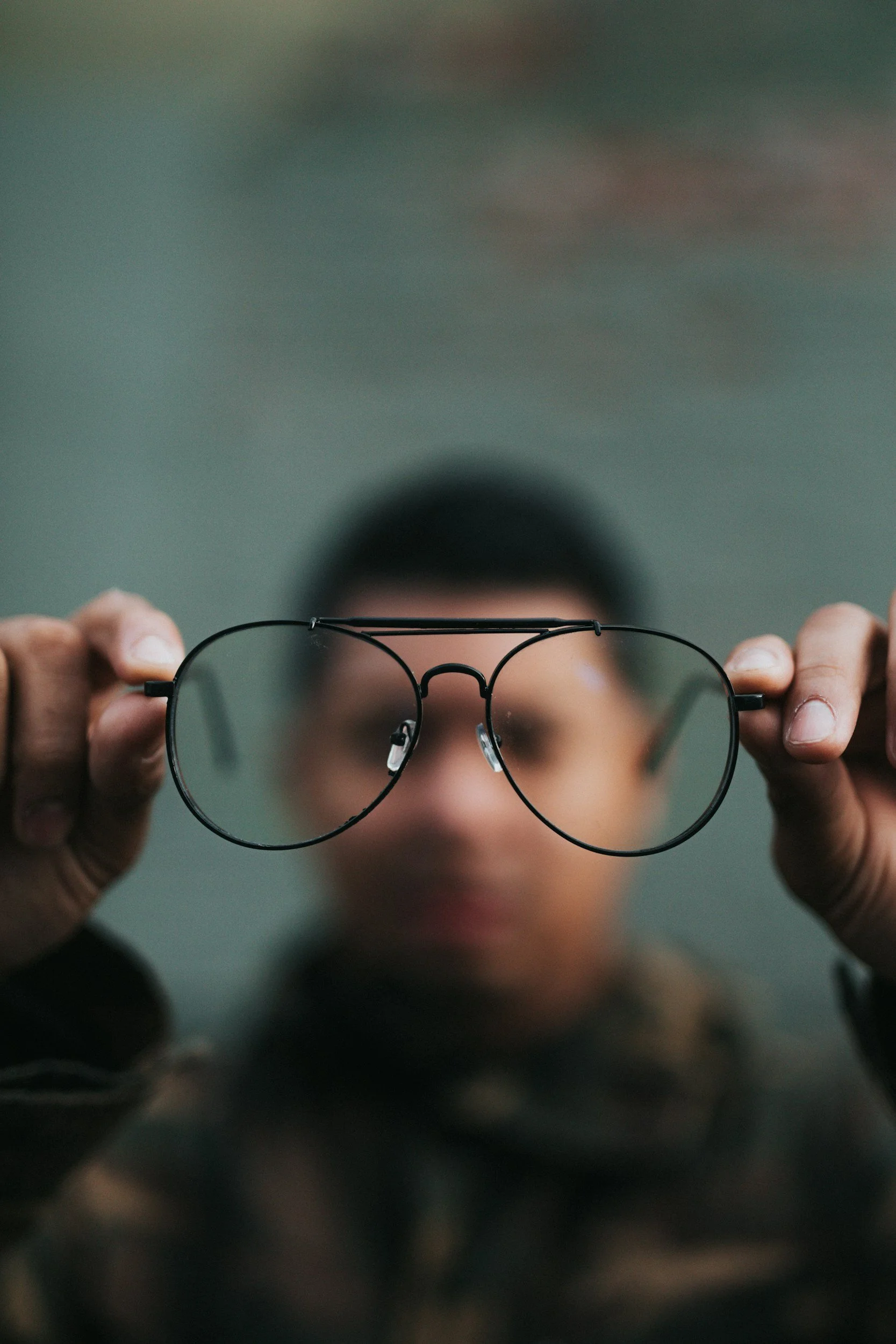
Several evidence-based treatments can slow myopia progression in children by 40 to 70 percent, including orthokeratology, MiSight contact lenses, Stellest spectacle lenses, and atropine eye drops — with the best option depending on the child's age, lifestyle, and degree of myopia.

What are anti-fatigue lenses and does my child need them?
Anti-fatigue lenses are progressive-style spectacle lenses with a small amount of reading add power at the bottom that reduces the strain of sustained near work, and they can be helpful for children who experience headaches or eye fatigue from extended reading and screen use.
How long does vision therapy typically take to show results?
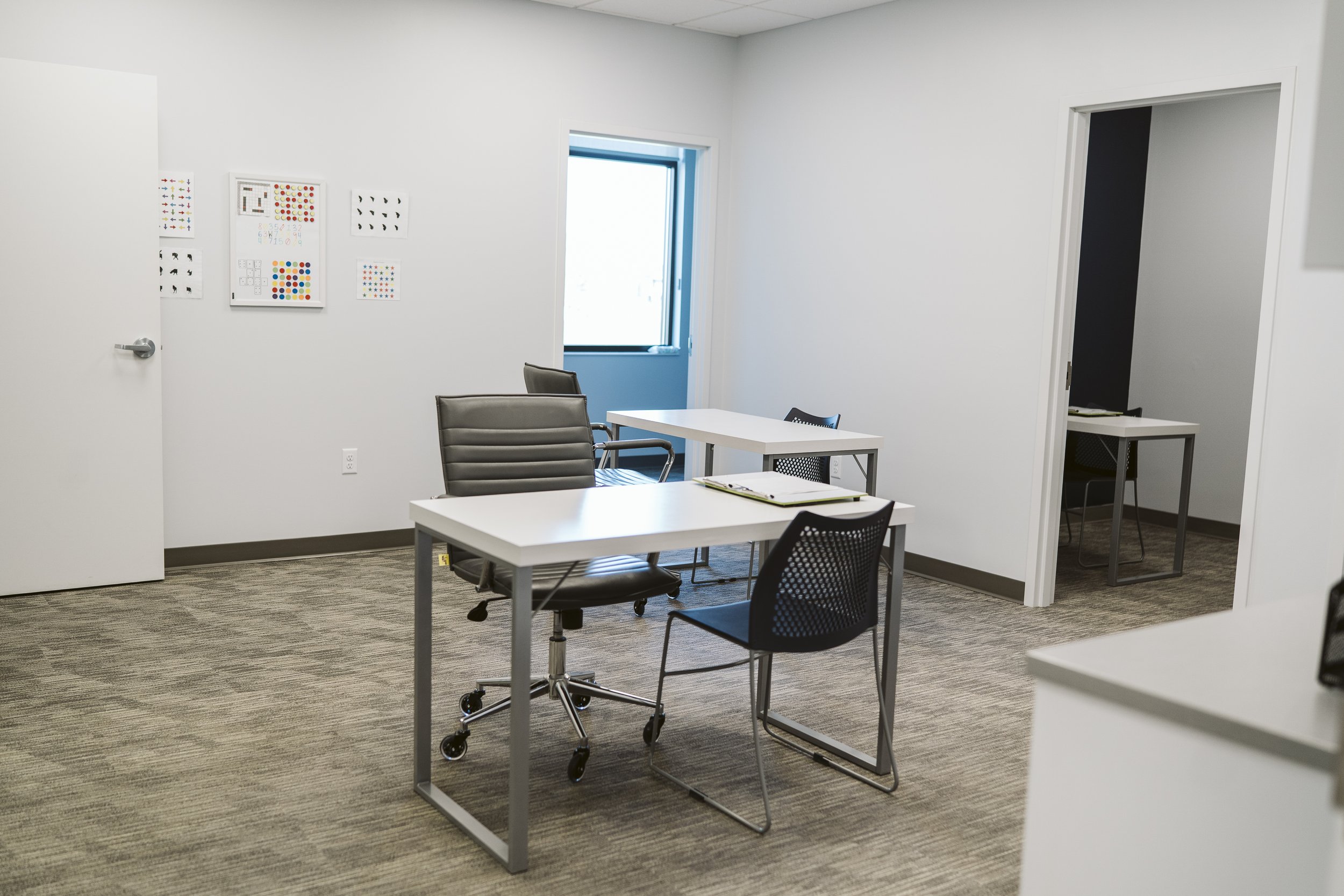
Most children with convergence insufficiency or accommodative disorders begin noticing meaningful symptom improvement within 4 to 8 weeks of vision therapy, with full program completion typically ranging from 10 to 30 weeks depending on the diagnosis and severity.
What is vision therapy and how does it work?
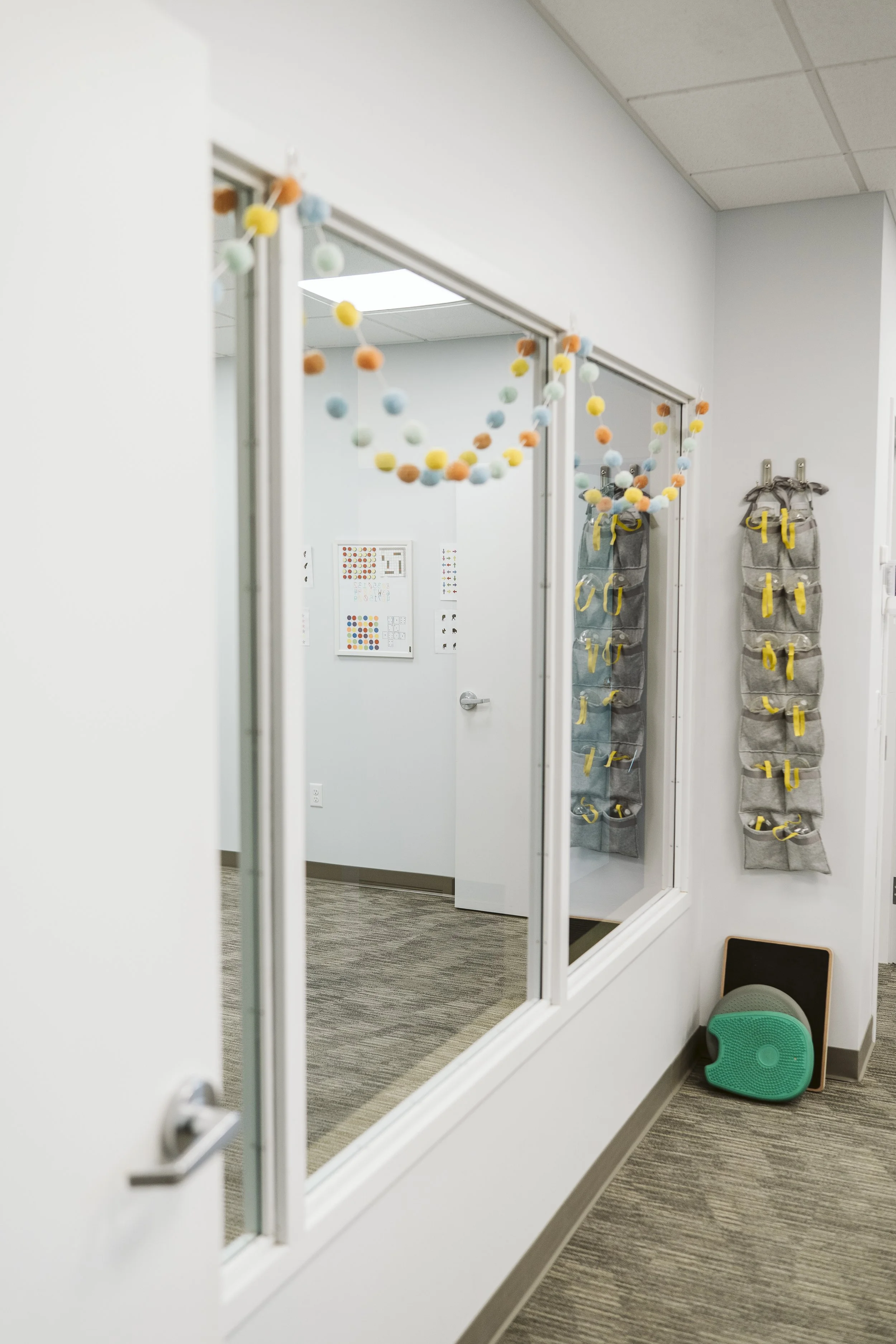
Vision therapy is a structured, doctor-supervised program of activities and exercises designed to correct how the eyes and brain work together, addressing conditions that glasses alone cannot fix.

What is ocular motor dysfunction and how does it affect reading?
Ocular motor dysfunction refers to inaccurate or inefficient eye movement control, including poor saccadic accuracy and tracking ability, and it directly disrupts the visual mechanics of reading, causing loss of place, skipped words, and poor comprehension.

How does outdoor time protect my child's eyesight?
Spending at least 90 minutes per day outdoors in bright natural light significantly reduces a child's risk of developing myopia, primarily through the retinal release of dopamine triggered by high-intensity sunlight — one of the most powerful and accessible myopia prevention tools available.