

How do I know if my child has binocular vision dysfunction?
Binocular vision dysfunction is often invisible on standard eye screenings but reveals itself through symptoms like headaches during reading, words that appear to move on the page, double vision, avoidance of near work, and academic struggles despite normal intelligence — all of which warrant a comprehensive binocular vision evaluation.

What is binocular vision dysfunction and how is it diagnosed?
Binocular vision dysfunction (BVD) is a group of conditions in which the two eyes fail to work together accurately as a team, leading to symptoms like headaches, double vision, dizziness, and reading difficulty that are often misdiagnosed or overlooked.

What is accommodative esotropia and how is it treated?
Accommodative esotropia is an inward eye turn directly caused by uncorrected farsightedness, and it is typically treated first with glasses — which often fully or partially straighten the eyes — sometimes combined with patching, prisms, or vision therapy.
What causes crossed eyes (strabismus) in children?
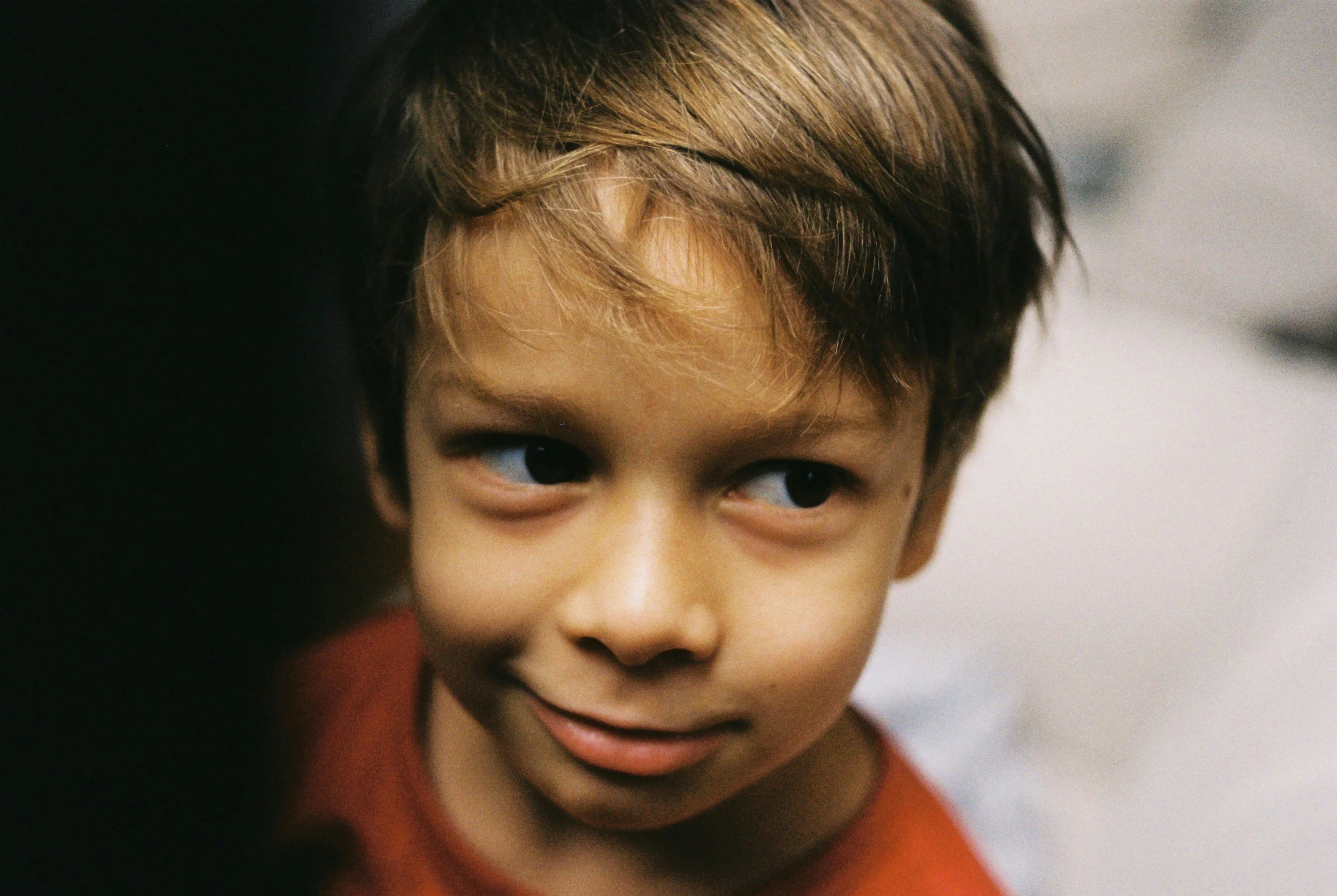
Strabismus in children is caused by a complex interaction of factors including uncorrected refractive errors, muscle imbalances, neurological conditions, and genetics, and understanding the cause is essential to choosing the right treatment.

What is strabismus and can it be corrected without surgery?
Strabismus is a misalignment of the eyes in which they do not point in the same direction simultaneously, and while surgery is sometimes necessary, many cases are effectively managed with glasses, prisms, or vision therapy.
What is myopia and why is it becoming more common in children?
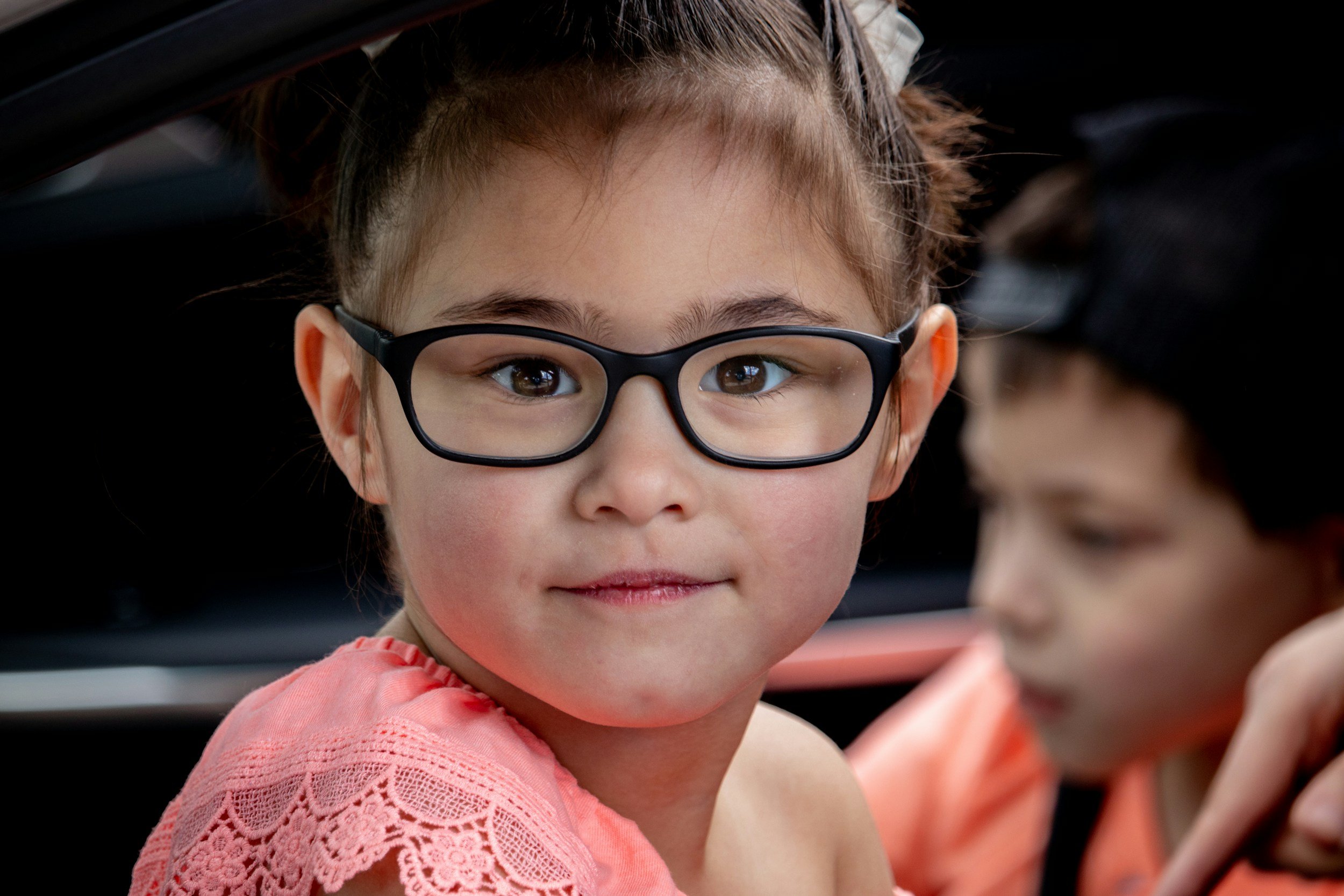
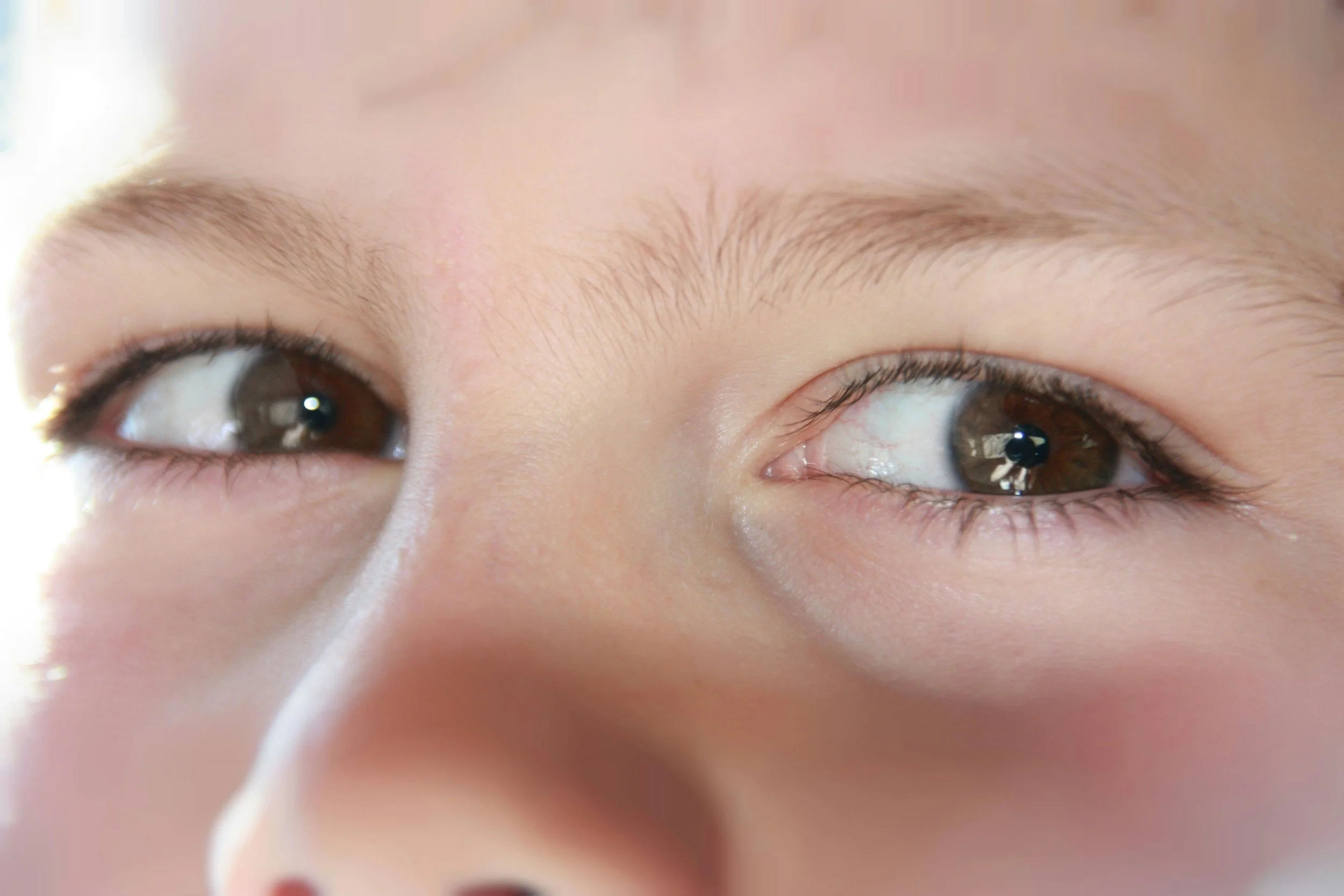
Myopia, or nearsightedness, is a refractive condition in which the eye grows too long, causing distant objects to appear blurry, and its rapid global rise is driven by a combination of genetic risk, reduced outdoor time, and increased near-work demands.