


How do I know if my child has a vision problem?
Children rarely complain about poor vision because they assume everyone sees the same way, so parents and teachers must watch for subtle behavioral and physical signs that signal an underlying eye problem.

What are the signs that my child might need glasses?
Common signs that a child may need glasses include squinting, sitting close to the TV, holding books very close, complaining of headaches, rubbing their eyes frequently, and struggling to see the board at school — though many children with vision problems show no obvious signs at all.
How do I prepare my child for their first eye exam?
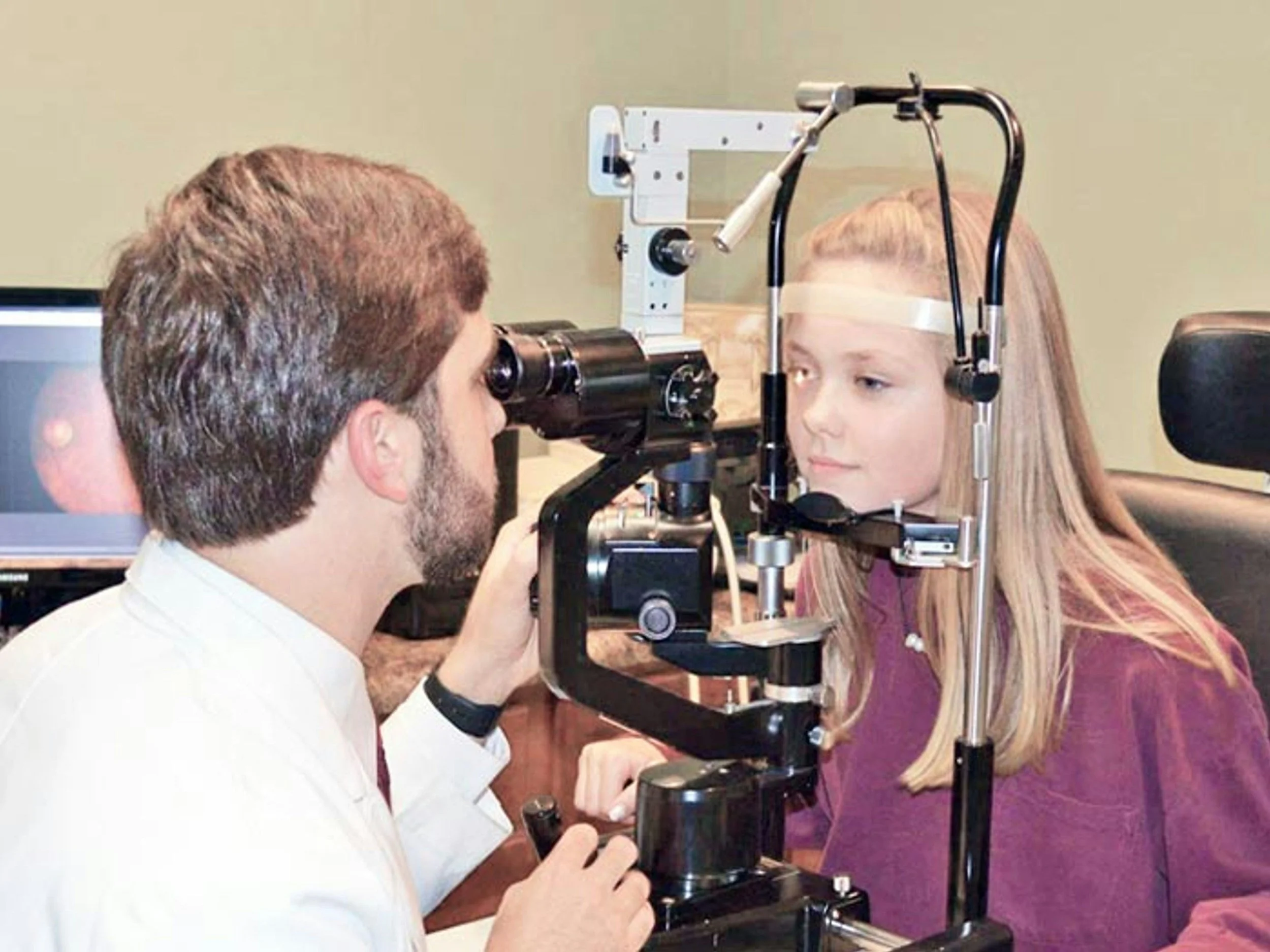
Preparing your child for their first eye exam is simple: explain what will happen in age-appropriate terms, bring any glasses or contact lenses they currently use, arrive rested and fed, and know that a good pediatric optometrist will make the experience comfortable and even fun.
What is the InfantSEE program and why does it matter?
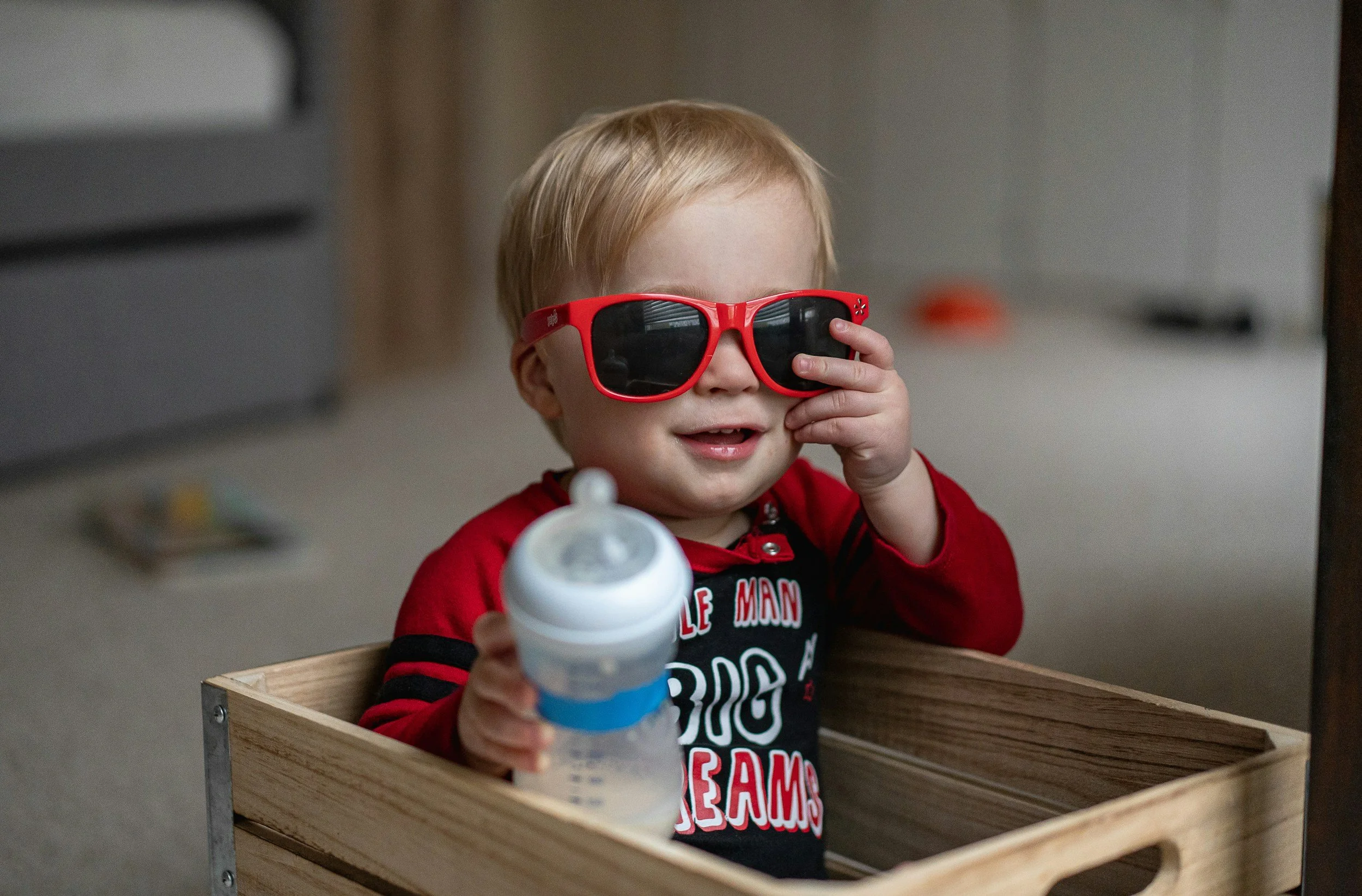
InfantSEE is a public health program that provides free comprehensive eye exams for infants ages 6 to 12 months, designed to detect vision problems during the most critical period of visual development before they can cause lasting harm.
What is pediatric optometry and how is it different from regular eye care?
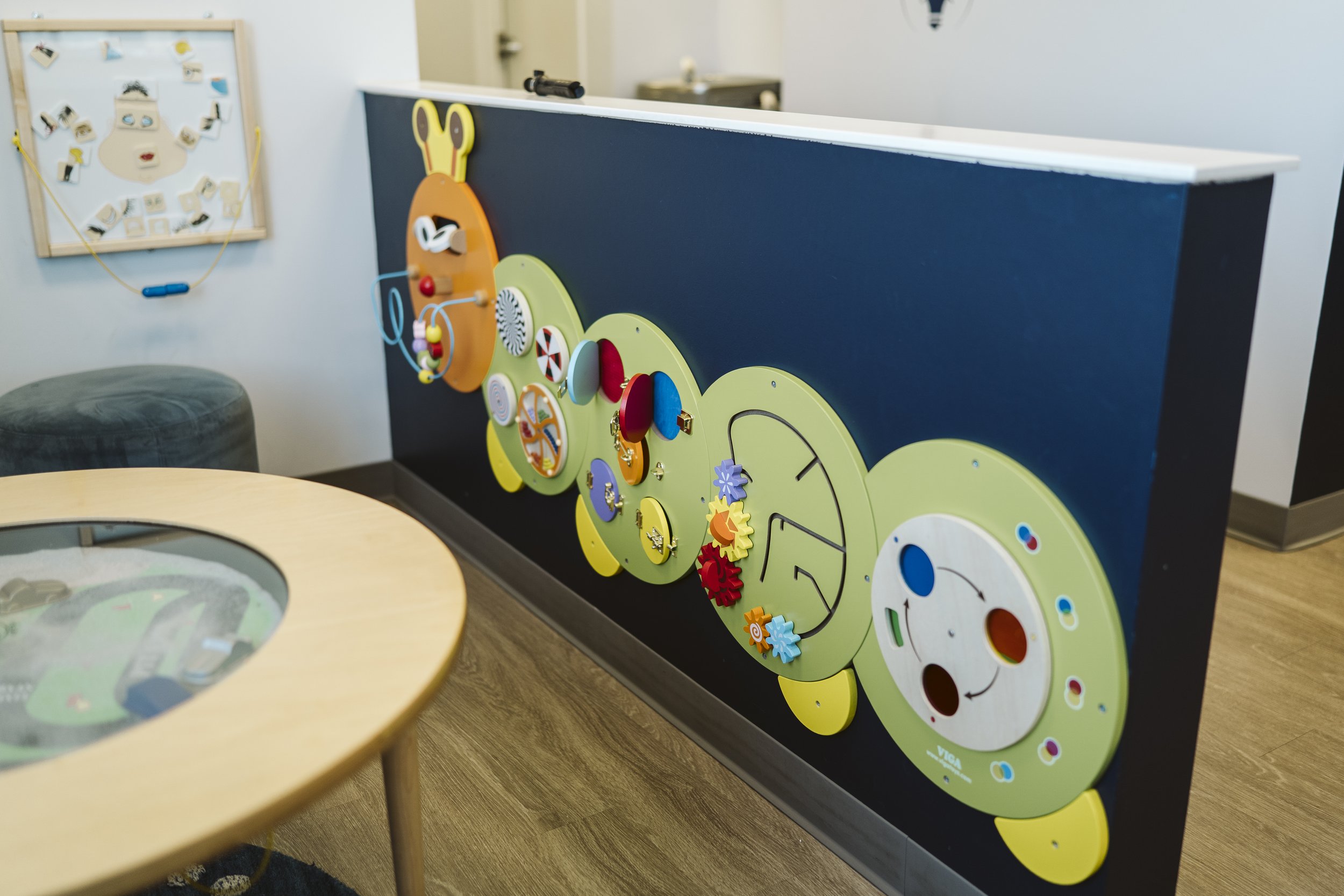
Pediatric optometry is a specialized field of eye care focused on the unique visual needs of infants, children, and adolescents, requiring specialized training, equipment, and techniques to assess and treat conditions that standard adult eye care is not designed to address.

Can vision problems cause reading difficulties in children?
Yes — undetected vision problems, particularly binocular vision disorders and oculomotor dysfunction, can directly cause or worsen reading difficulties, and addressing these issues through vision therapy or appropriate glasses can significantly improve a child's reading performance.

Strabismus: What is an “eye turn?”
Why do some peoples’ eyes wander off like they’re looking at something else? Are they doing it on purpose? Do they have double vision? Learn more about strabismus from Dr. Ryan Capouch at Lumen Vision in Fargo, North Dakota.

Amblyopia: What is a “lazy eye?”
What is amblyopia? Why do they call it a lazy eye? What is the best treatment option for amblyopia? Find out more about amblyopia from Dr. Ryan Capouch at Lumen Vision in Fargo, North Dakota.

Oculomotor Dysfunction is NOT dyslexia. Here’s why.
Are words jumping around on the page? Does it take a long time to read one page in a book? Is it difficult to understand what you’re reading? Learn more about oculomotor dysfunction from Dr. Ryan Capouch at Lumen Vision in Fargo, North Dakota.

Convergence Insufficiency: Headaches and Tired Eyes
Why do I get headaches after reading for a few minutes? Why do I always feel like I have tired eyes? Learn more about convergence insufficiency from Dr. Ryan Capouch at Lumen Vision in Fargo, North Dakota.