

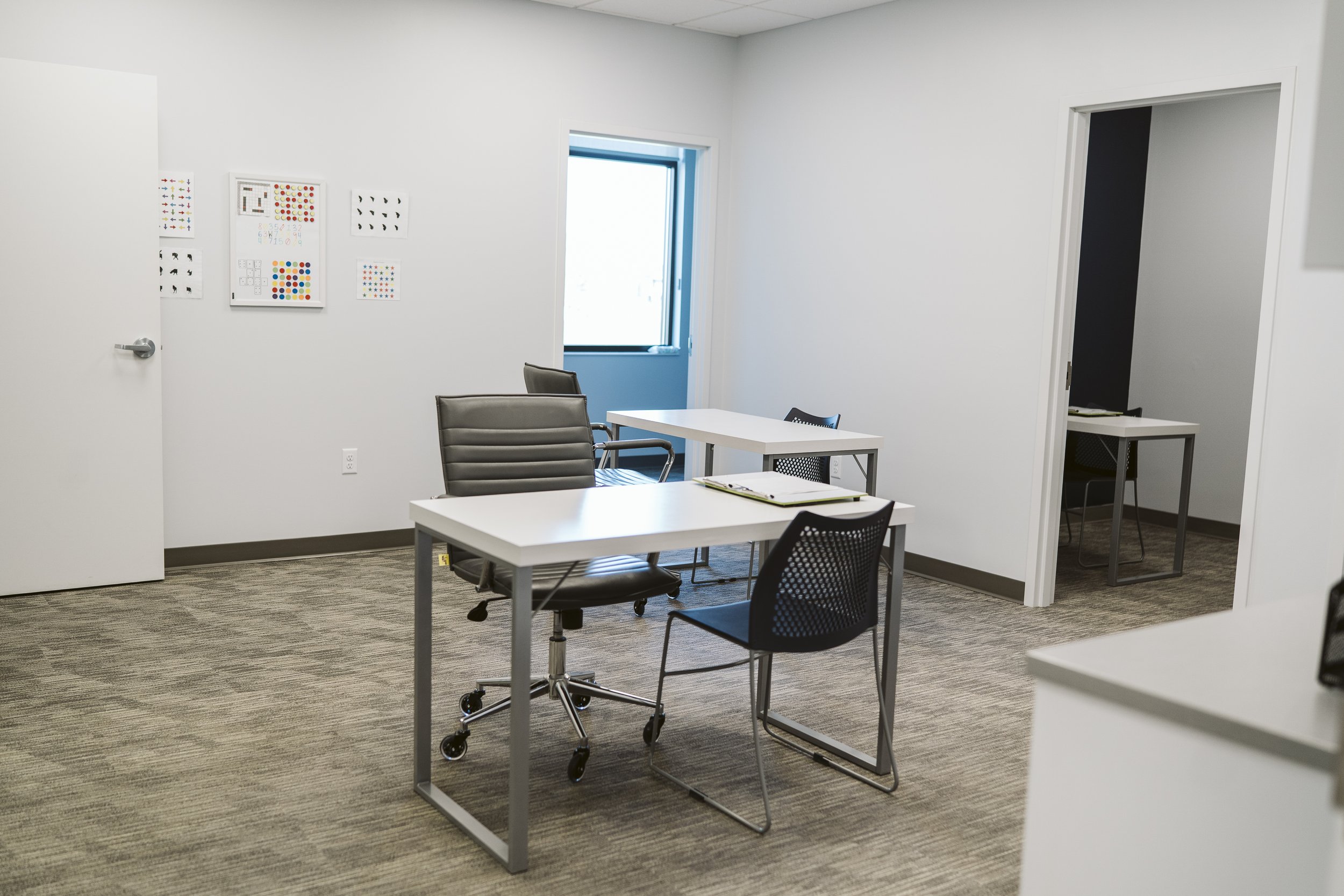
How long does vision therapy typically take to show results?
Most children with convergence insufficiency or accommodative disorders begin noticing meaningful symptom improvement within 4 to 8 weeks of vision therapy, with full program completion typically ranging from 10 to 30 weeks depending on the diagnosis and severity.
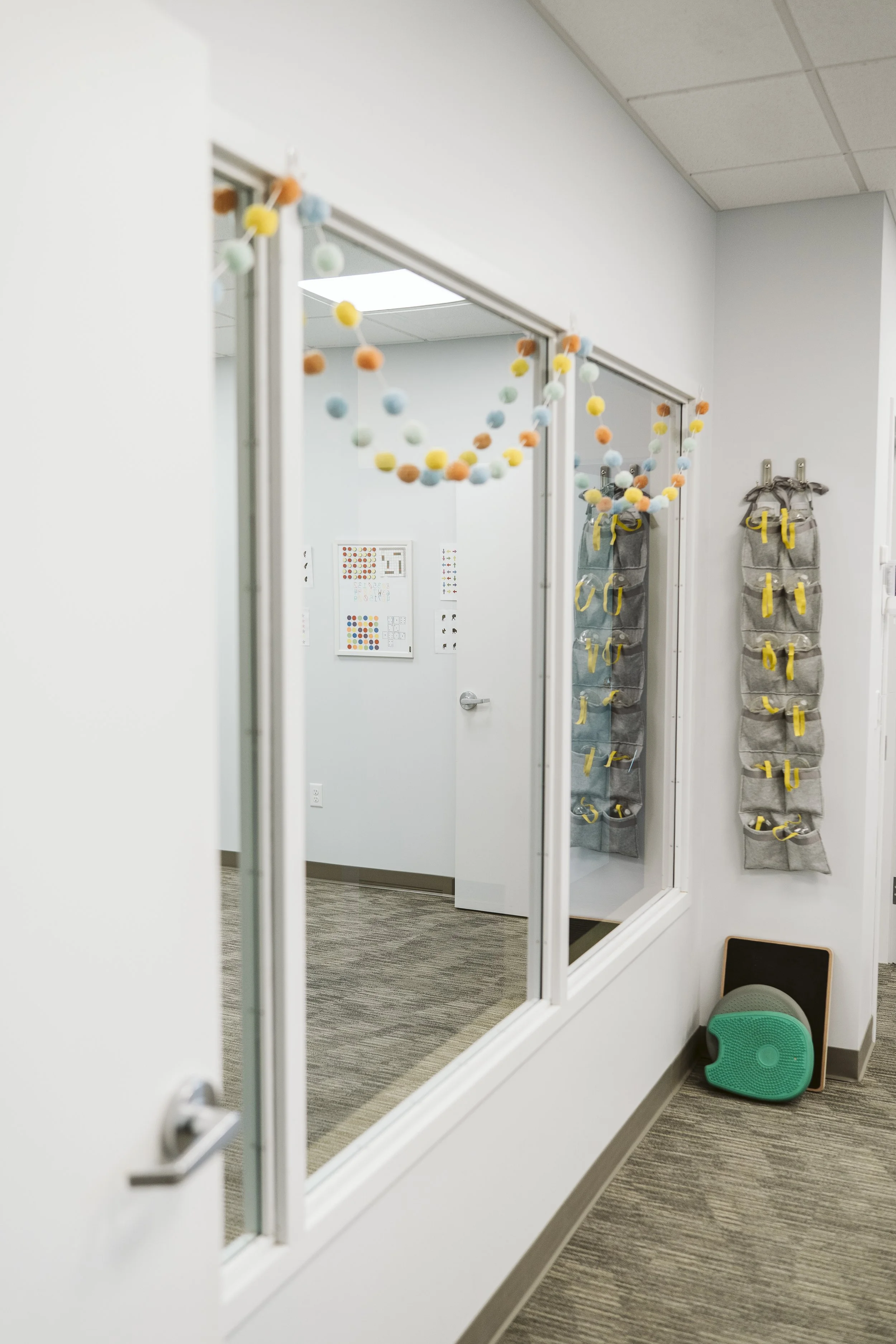
What is vision therapy and how does it work?
Vision therapy is a structured, doctor-supervised program of activities and exercises designed to correct how the eyes and brain work together, addressing conditions that glasses alone cannot fix.

What is ocular motor dysfunction and how does it affect reading?
Ocular motor dysfunction refers to inaccurate or inefficient eye movement control, including poor saccadic accuracy and tracking ability, and it directly disrupts the visual mechanics of reading, causing loss of place, skipped words, and poor comprehension.

How does outdoor time protect my child's eyesight?
Spending at least 90 minutes per day outdoors in bright natural light significantly reduces a child's risk of developing myopia, primarily through the retinal release of dopamine triggered by high-intensity sunlight — one of the most powerful and accessible myopia prevention tools available.

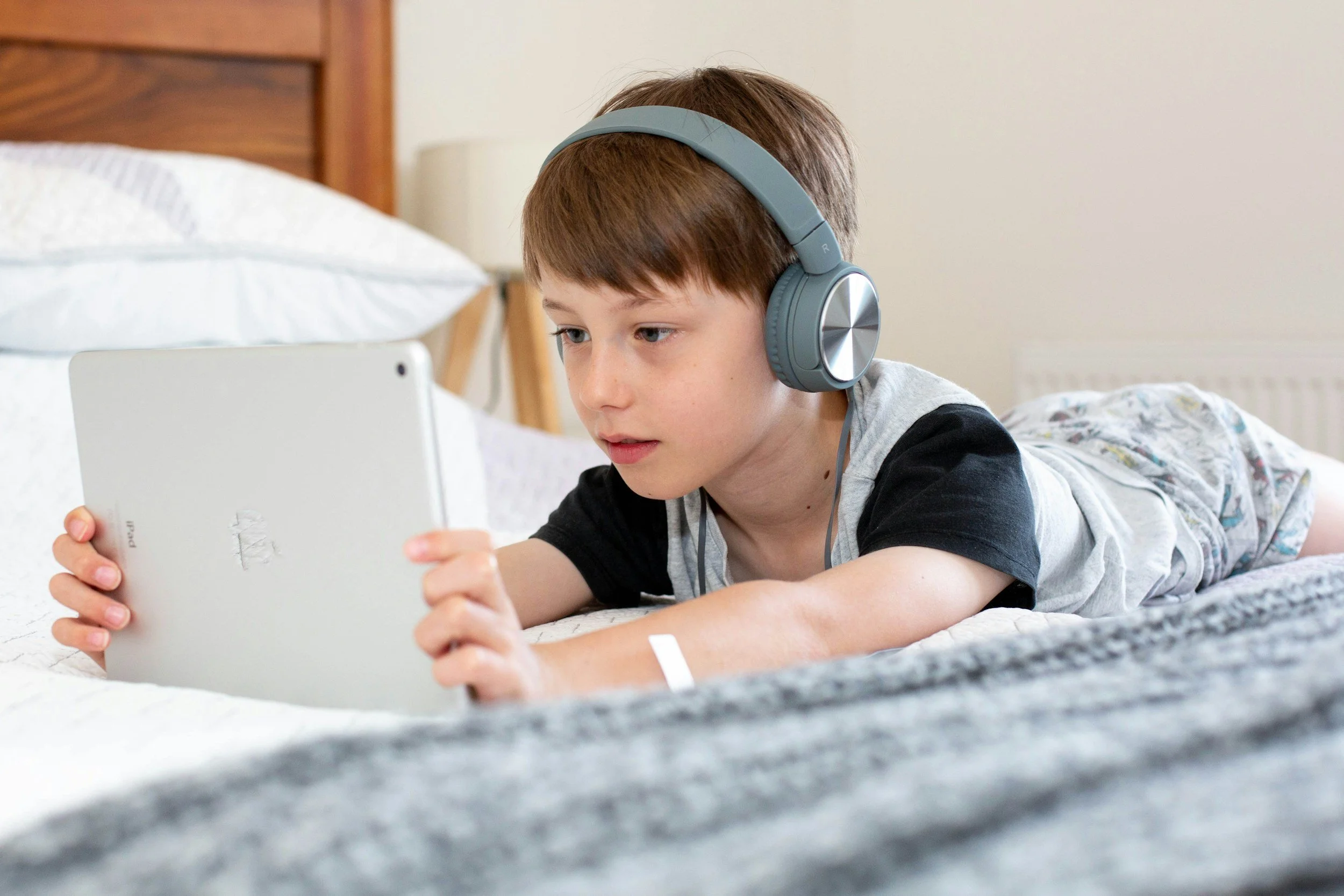


How do I know if my child has binocular vision dysfunction?
Binocular vision dysfunction is often invisible on standard eye screenings but reveals itself through symptoms like headaches during reading, words that appear to move on the page, double vision, avoidance of near work, and academic struggles despite normal intelligence — all of which warrant a comprehensive binocular vision evaluation.

What is binocular vision dysfunction and how is it diagnosed?
Binocular vision dysfunction (BVD) is a group of conditions in which the two eyes fail to work together accurately as a team, leading to symptoms like headaches, double vision, dizziness, and reading difficulty that are often misdiagnosed or overlooked.

What is accommodative esotropia and how is it treated?
Accommodative esotropia is an inward eye turn directly caused by uncorrected farsightedness, and it is typically treated first with glasses — which often fully or partially straighten the eyes — sometimes combined with patching, prisms, or vision therapy.