

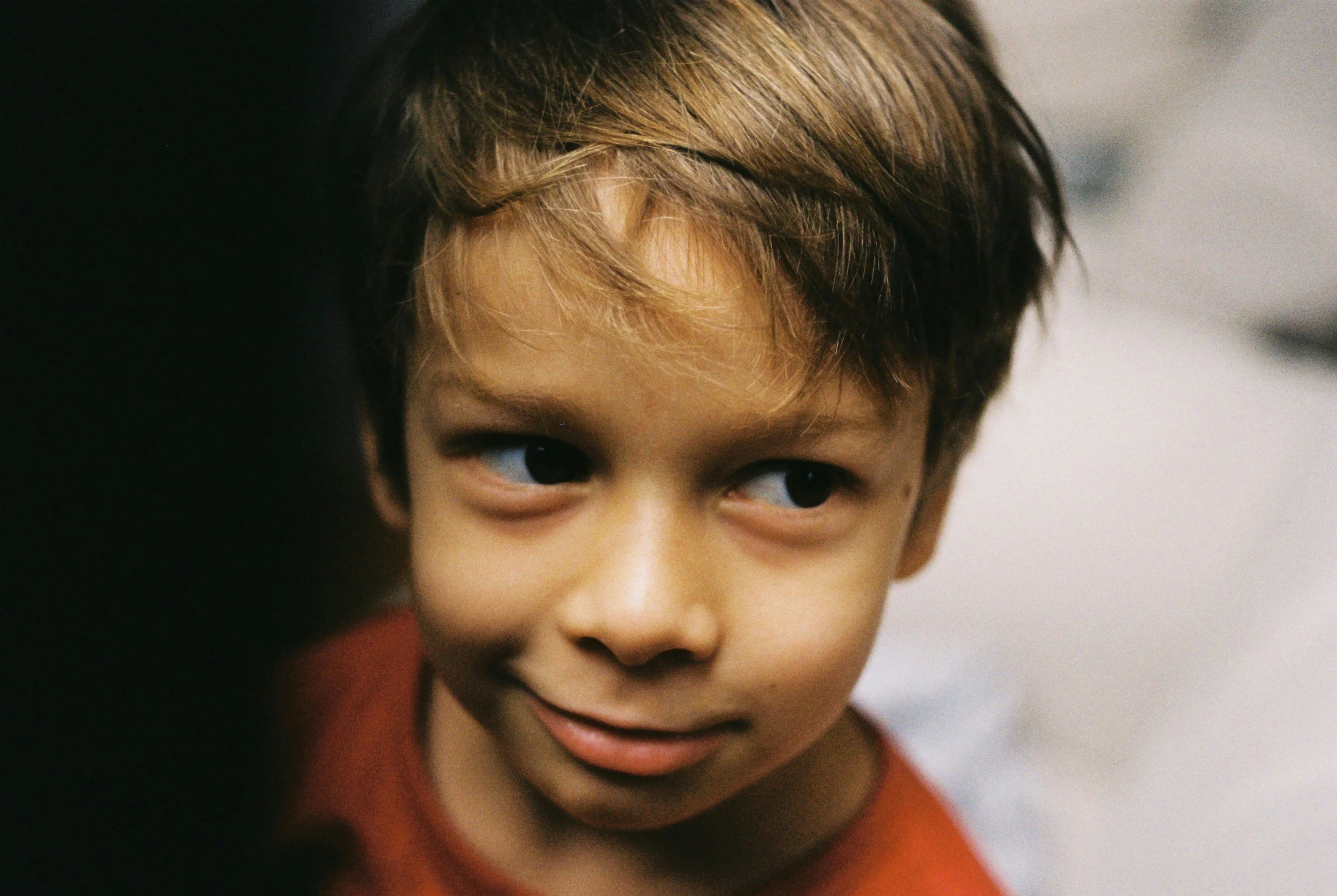
What causes crossed eyes (strabismus) in children?
Strabismus in children is caused by a complex interaction of factors including uncorrected refractive errors, muscle imbalances, neurological conditions, and genetics, and understanding the cause is essential to choosing the right treatment.

What is strabismus and can it be corrected without surgery?
Strabismus is a misalignment of the eyes in which they do not point in the same direction simultaneously, and while surgery is sometimes necessary, many cases are effectively managed with glasses, prisms, or vision therapy.
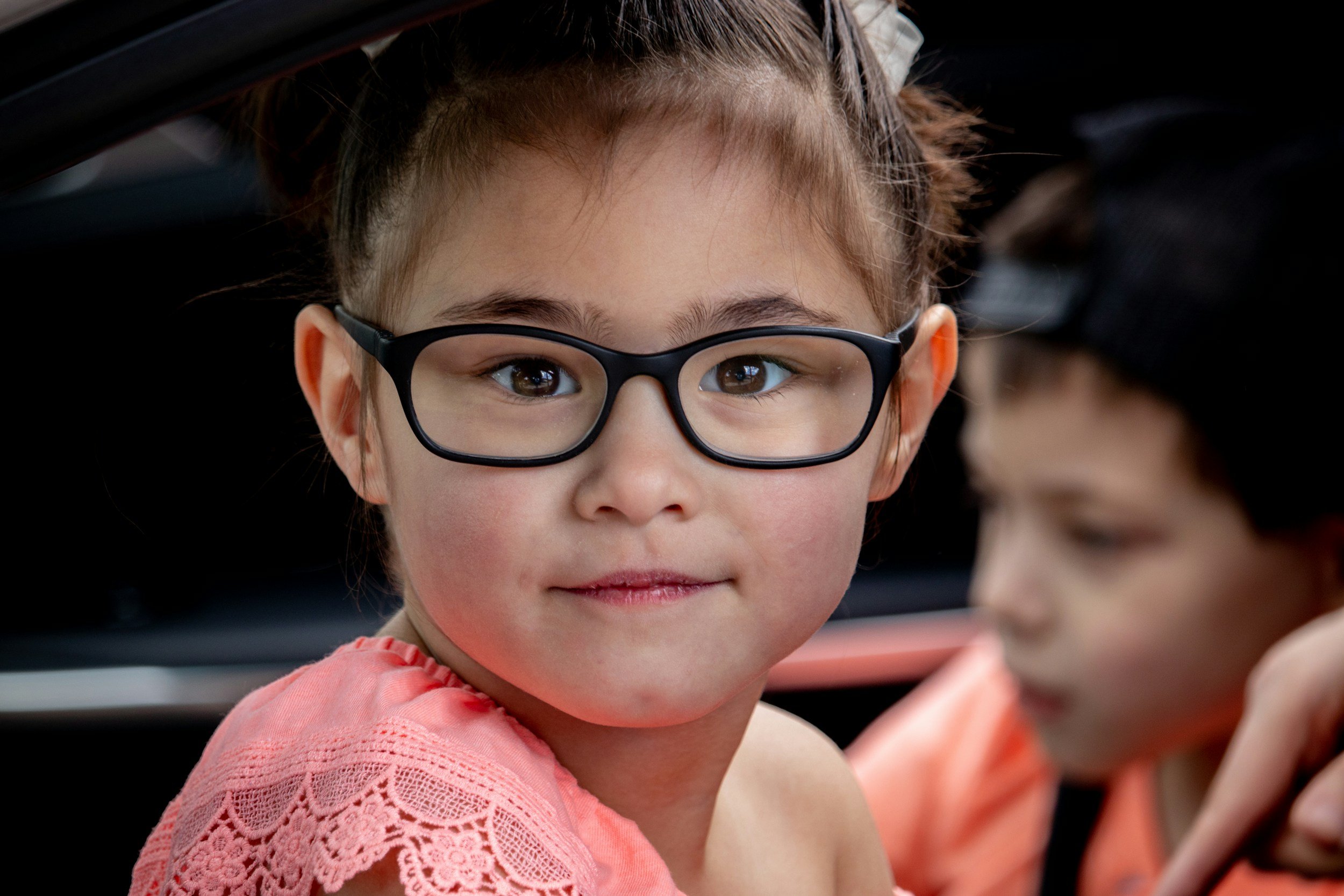
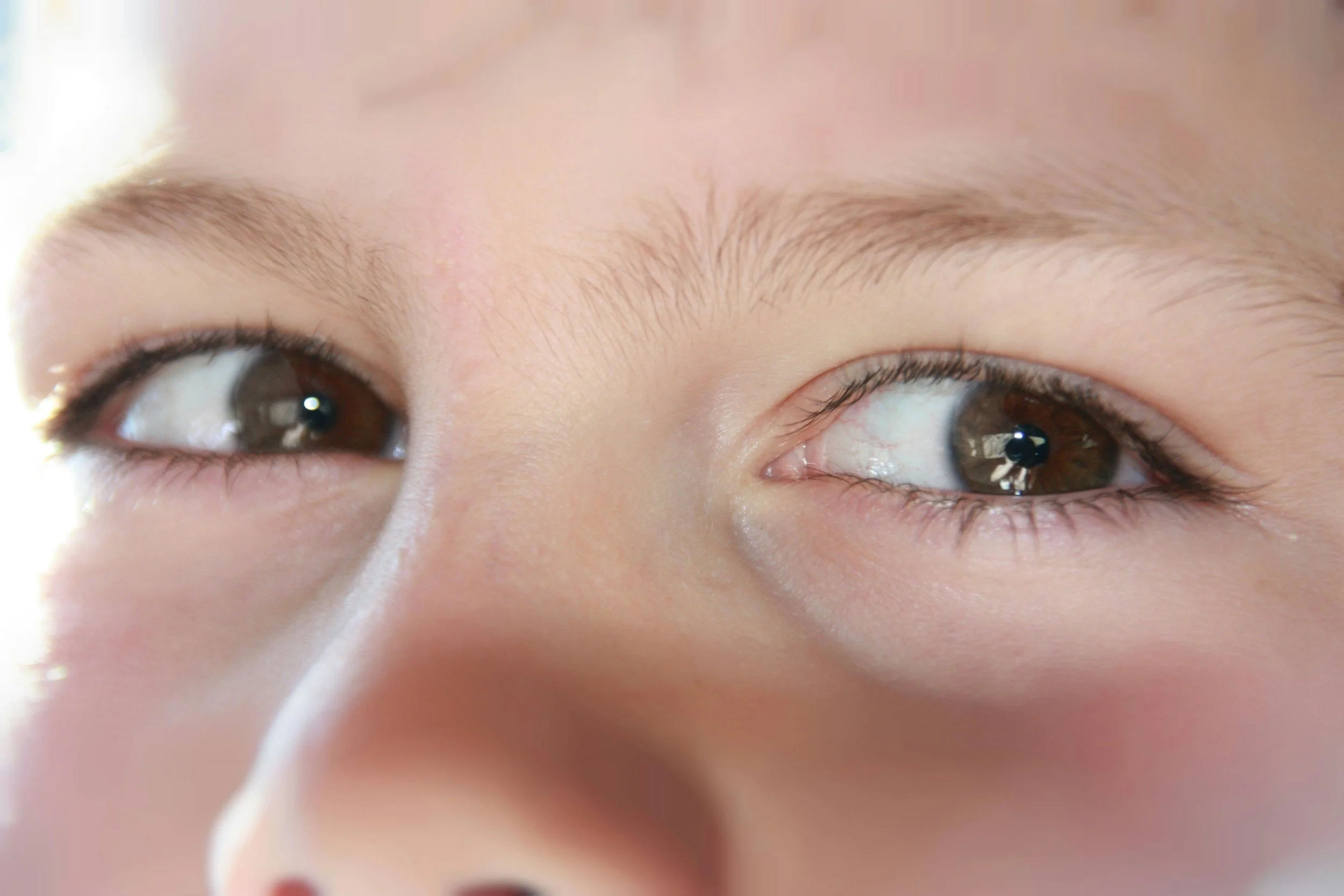
What is myopia and why is it becoming more common in children?
Myopia, or nearsightedness, is a refractive condition in which the eye grows too long, causing distant objects to appear blurry, and its rapid global rise is driven by a combination of genetic risk, reduced outdoor time, and increased near-work demands.
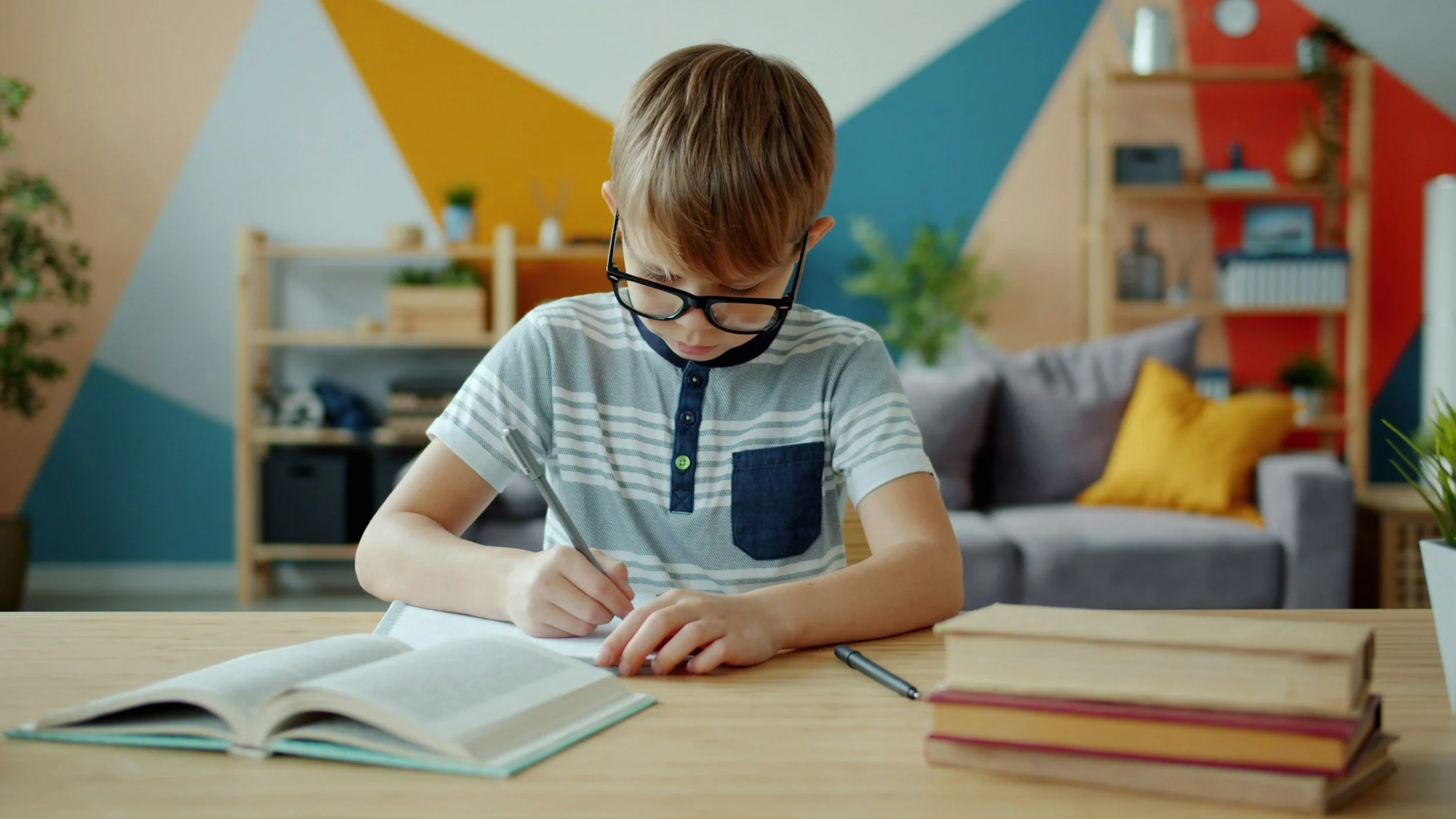
How do I know if my child has a vision problem?
Children rarely complain about poor vision because they assume everyone sees the same way, so parents and teachers must watch for subtle behavioral and physical signs that signal an underlying eye problem.
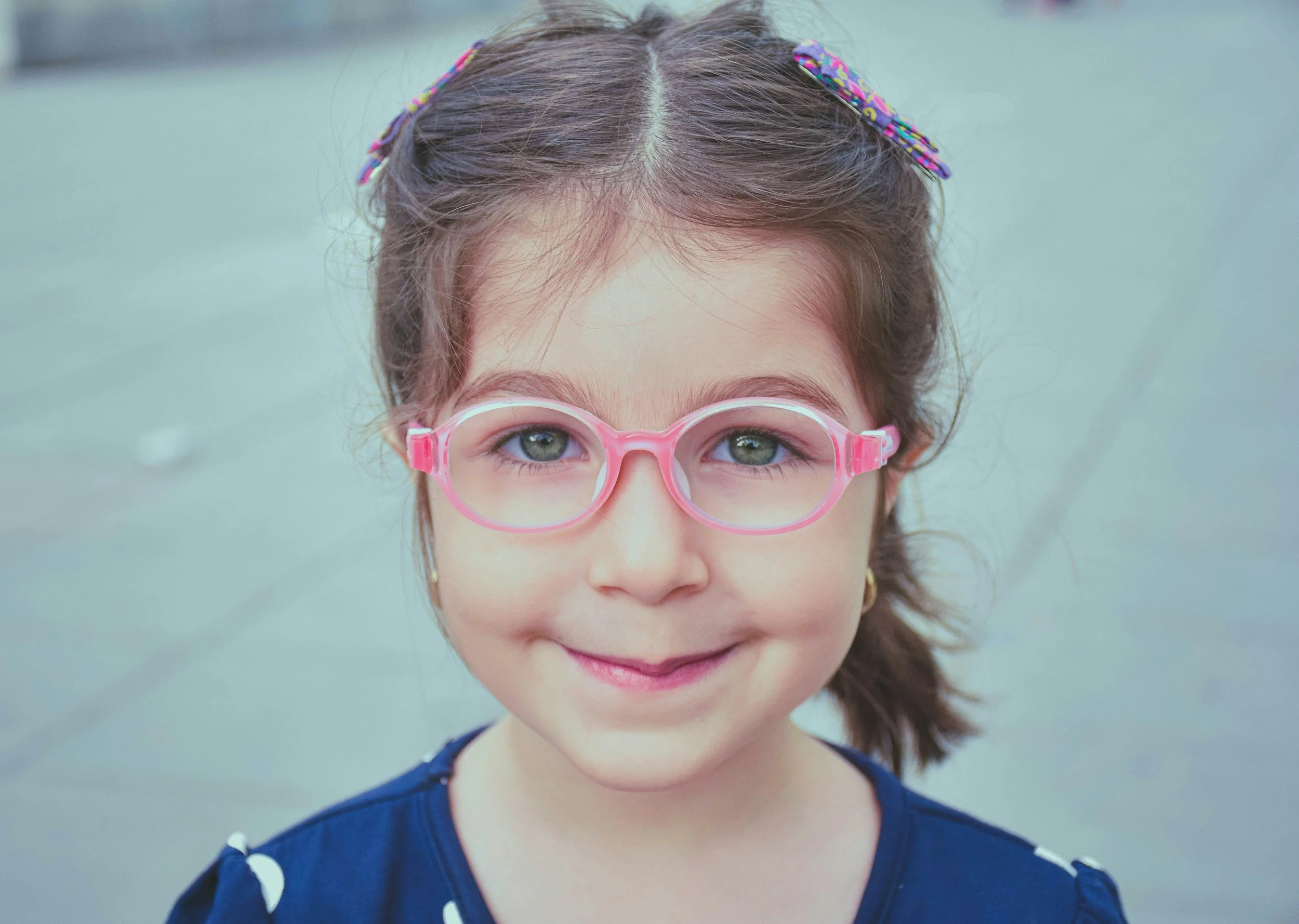
What are the signs that my child might need glasses?
Common signs that a child may need glasses include squinting, sitting close to the TV, holding books very close, complaining of headaches, rubbing their eyes frequently, and struggling to see the board at school — though many children with vision problems show no obvious signs at all.
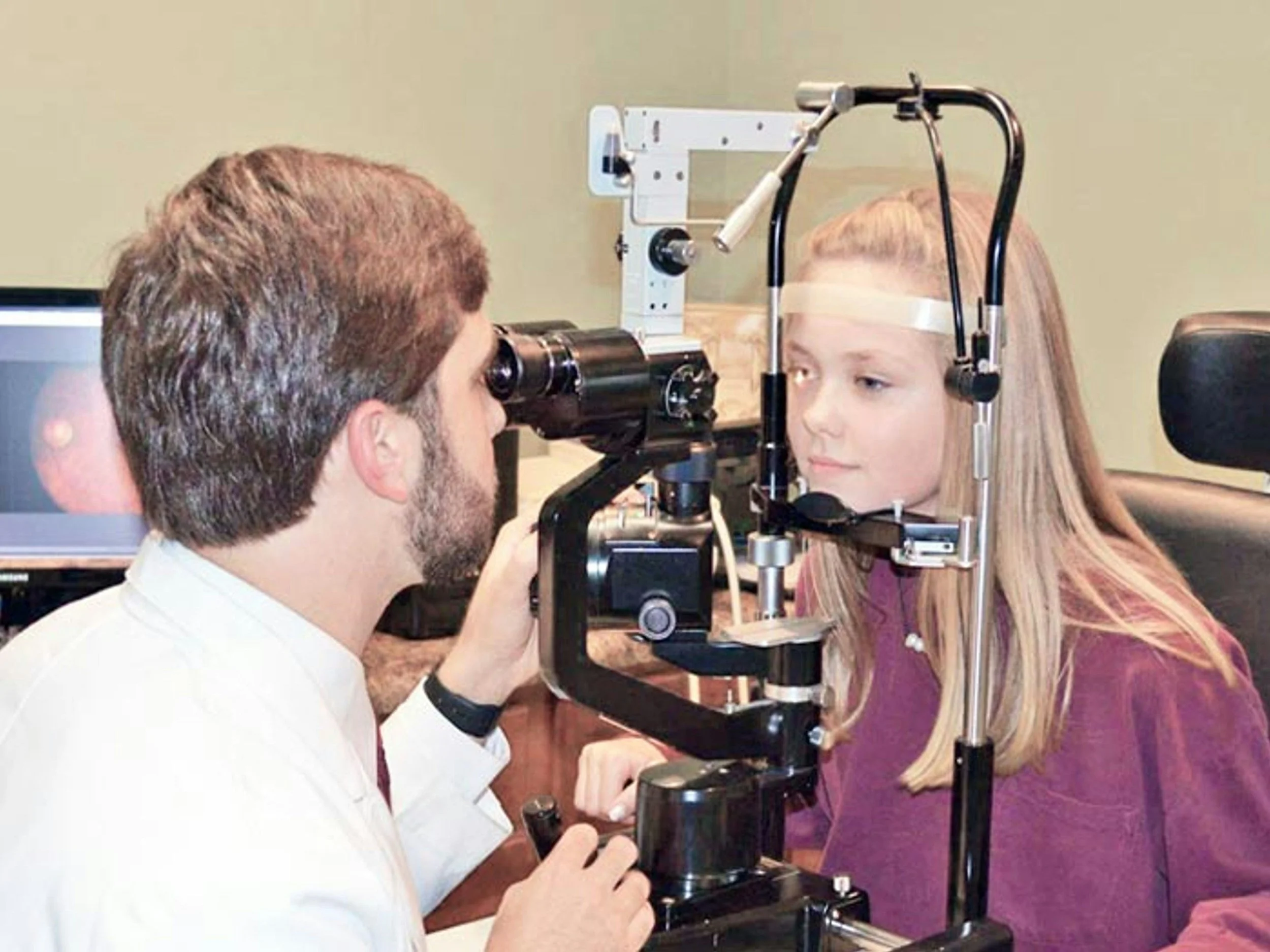
How do I prepare my child for their first eye exam?
Preparing your child for their first eye exam is simple: explain what will happen in age-appropriate terms, bring any glasses or contact lenses they currently use, arrive rested and fed, and know that a good pediatric optometrist will make the experience comfortable and even fun.
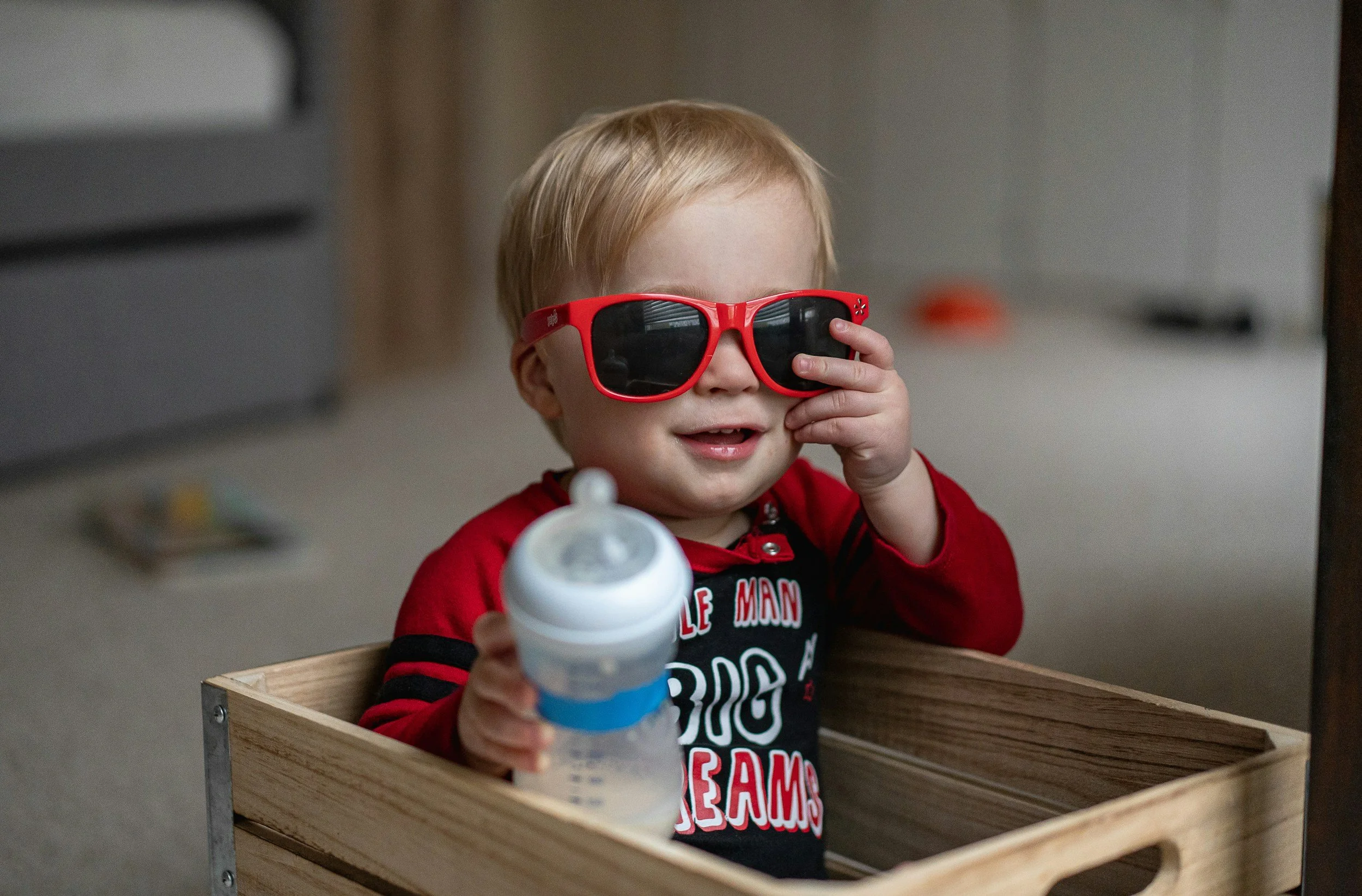
What is the InfantSEE program and why does it matter?
InfantSEE is a public health program that provides free comprehensive eye exams for infants ages 6 to 12 months, designed to detect vision problems during the most critical period of visual development before they can cause lasting harm.
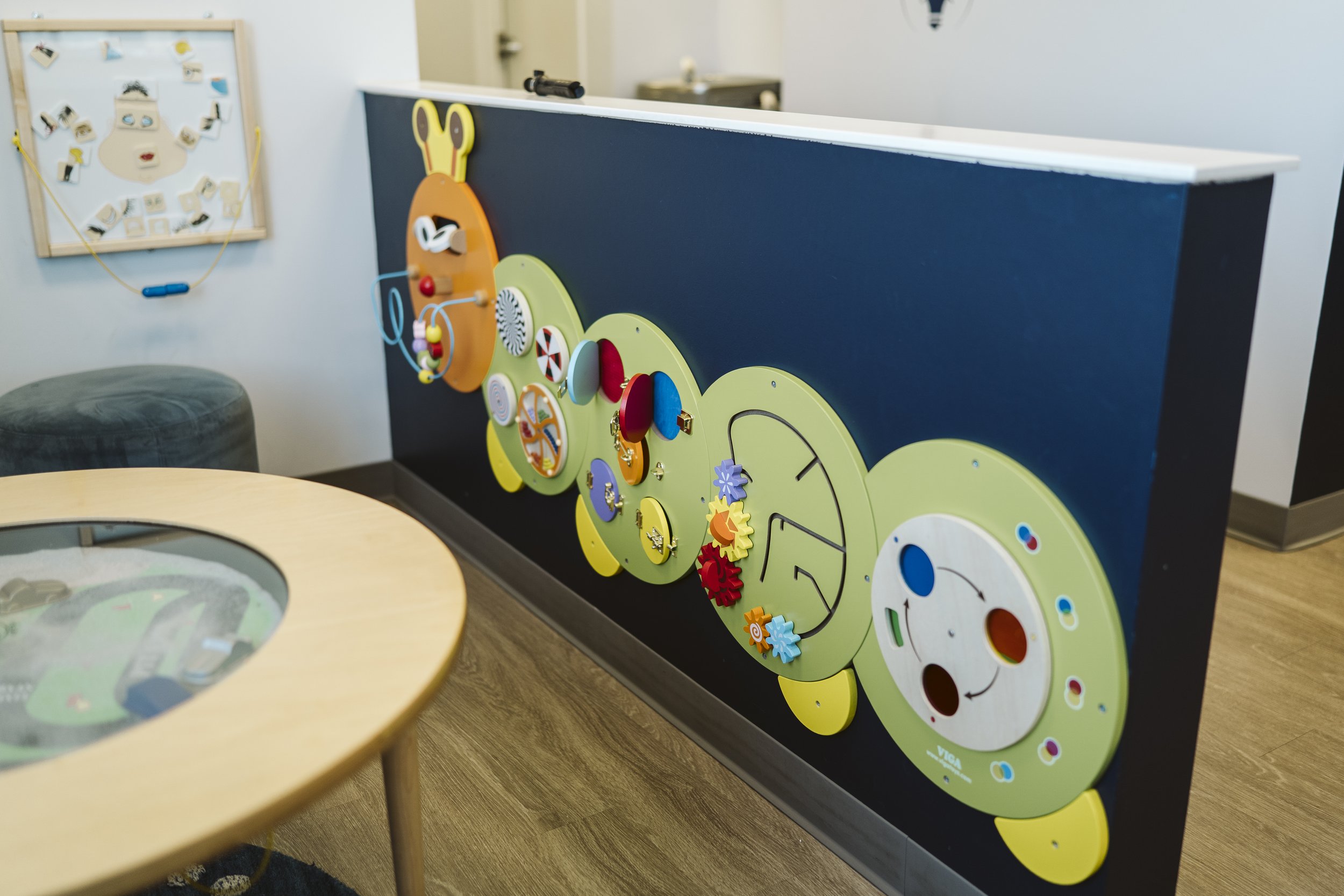
What is pediatric optometry and how is it different from regular eye care?
Pediatric optometry is a specialized field of eye care focused on the unique visual needs of infants, children, and adolescents, requiring specialized training, equipment, and techniques to assess and treat conditions that standard adult eye care is not designed to address.
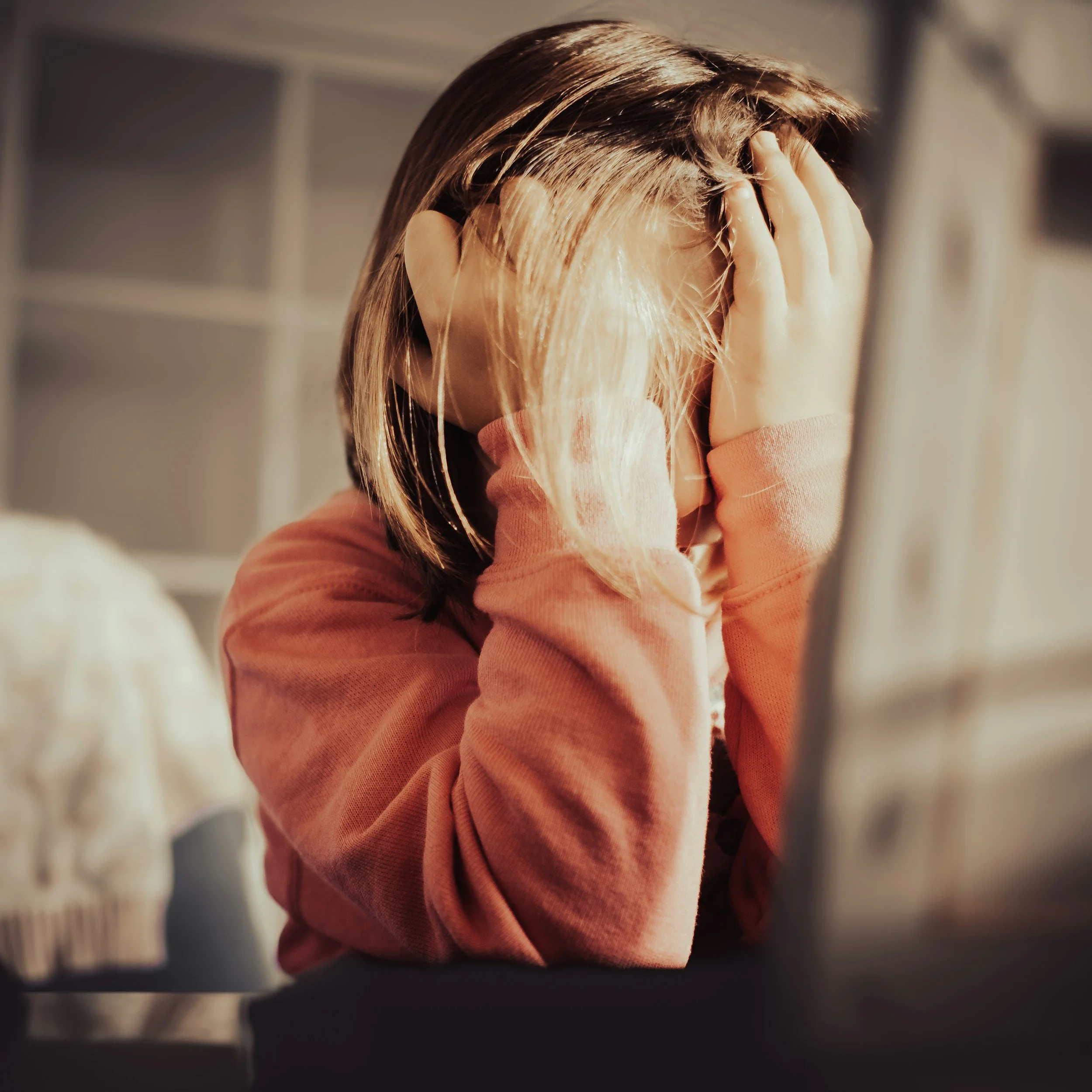
Can vision problems cause reading difficulties in children?
Yes — undetected vision problems, particularly binocular vision disorders and oculomotor dysfunction, can directly cause or worsen reading difficulties, and addressing these issues through vision therapy or appropriate glasses can significantly improve a child's reading performance.