

Medical Eye Exam Pricing
You don’t need to have vision insurance to see us for an eye exam. If you have certain health conditions or eye diseases that require regular monitoring, we can bill your medical insurance for certain diagnostic tests and exams at your eye appointment!
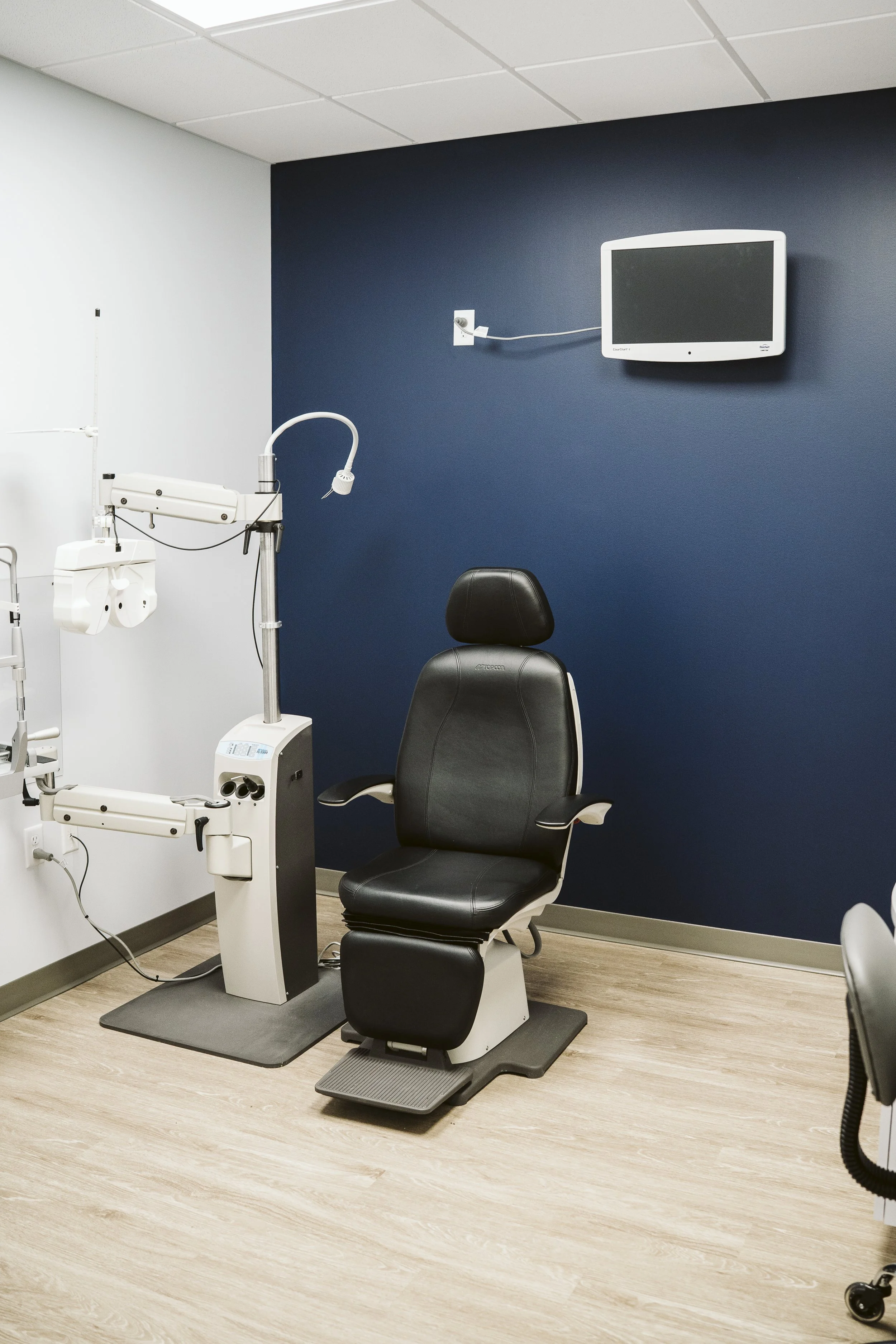
Eye Health Exam
Checks the health of your eyes and the effects of systemic diseases or medications. This is billed to your medical insurance, which usually means you’d pay a copay or deductible amount.
$200-250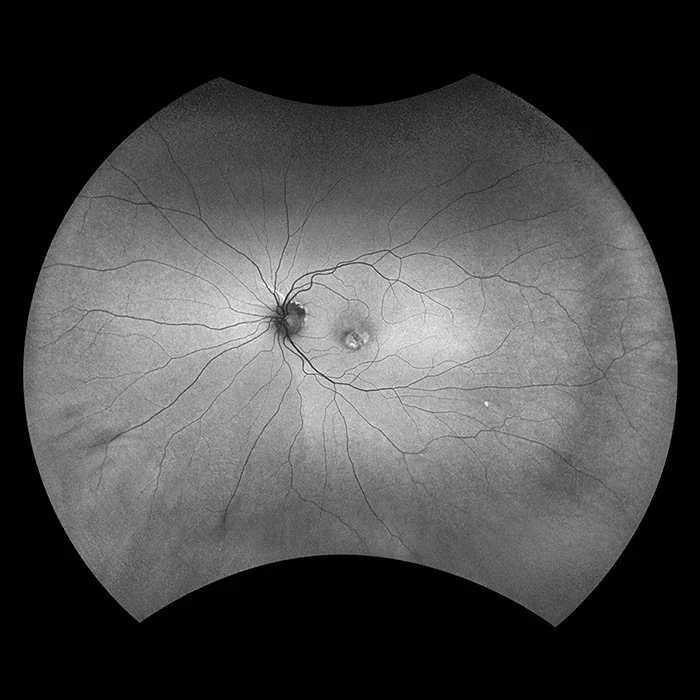
Fundus Photo
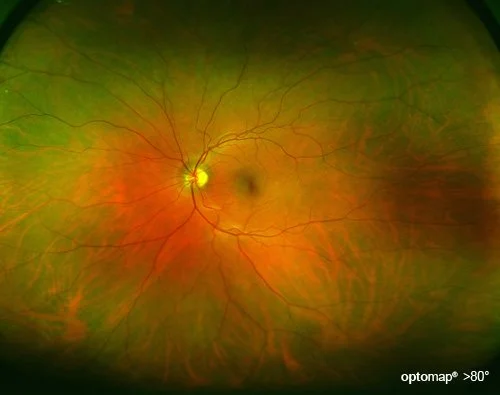
Takes several images of the retina, including fundus autofluorescence and high-resolution retinal mapping. We use this imaging for patients with diabetes, glaucoma, and macular degeneration, among other conditions. This is billed to your medical insurance, which usually means you’d pay a copay or deductible amount.
$150
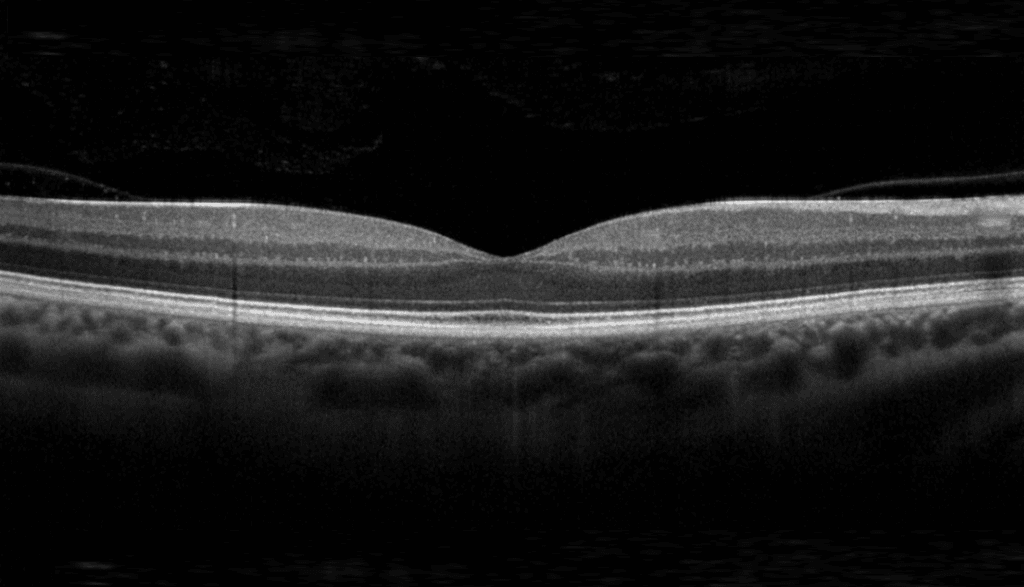
$150Optical Coherence Tomography (OCT)
Takes a cross-section image of certain parts of the eye, especially the retina. We use this testing for patients with macular degeneration, glaucoma, and other retinal or corneal diseases. This is billed to your medical insurance, which usually means you’d pay a copay or deductible amount.
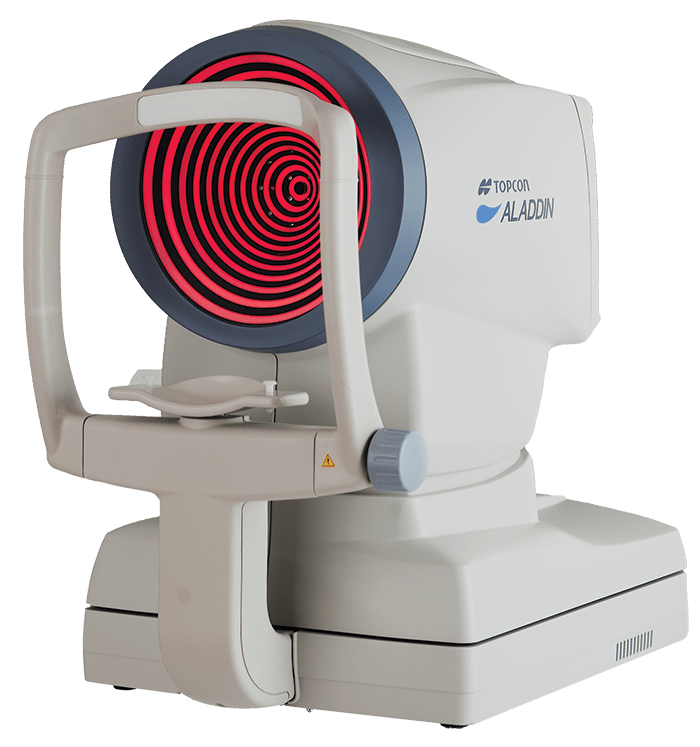
$150Corneal Topography
Takes an elevation map of the cornea, which is the front part of the eye. We use this testing for patients with keratoconus or other corneal diseases. This is billed to your medical insurance, which usually means you’d pay a copay or deductible amount.
$200Visual Field Examination
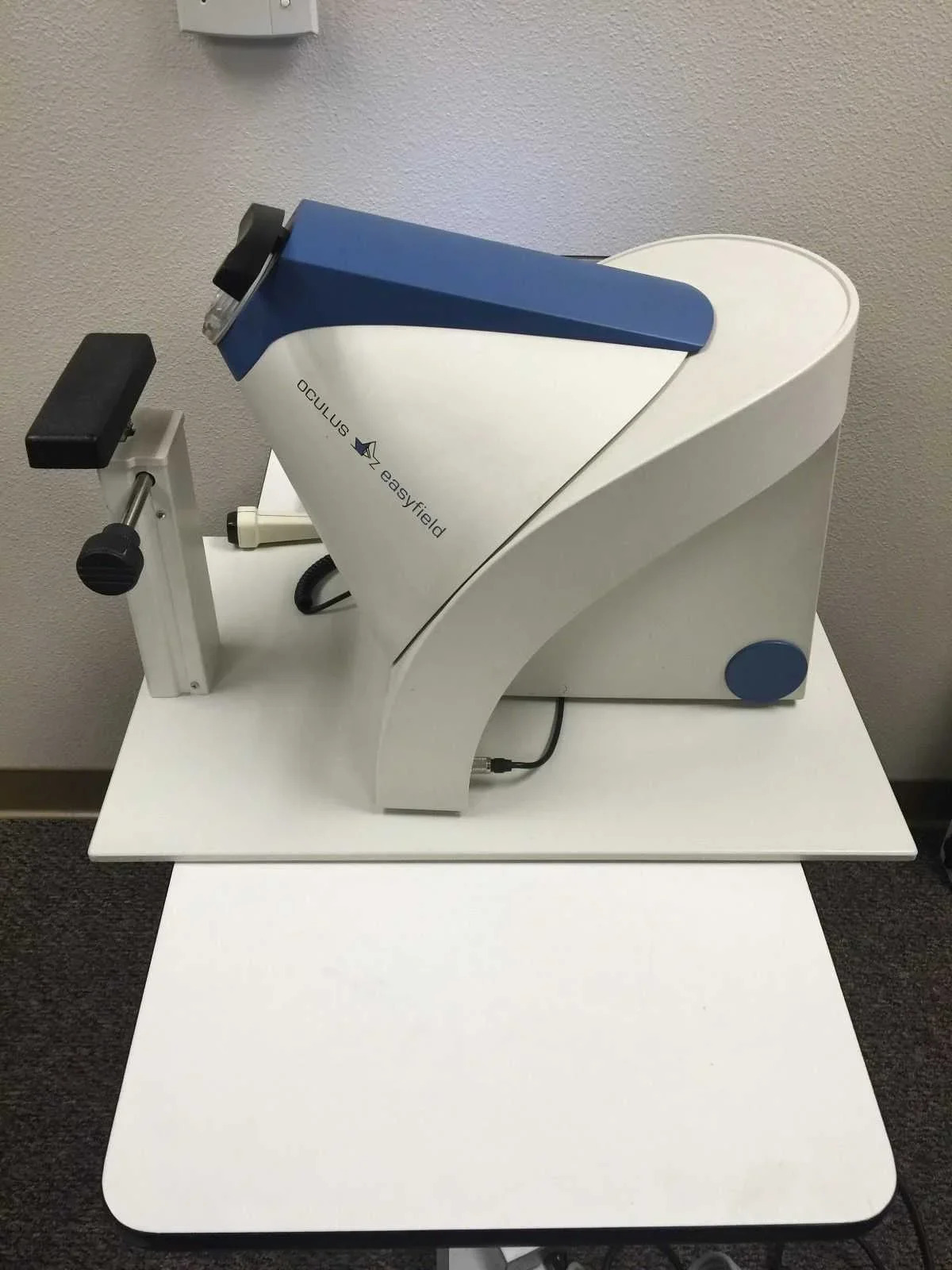
Takes a point-by-point test of your peripheral (side) vision. We use this test for patients with glaucoma, history of stroke, or other neurological conditions. This is billed to your medical insurance, which usually means you’d pay a copay or deductible amount.
$75Refraction
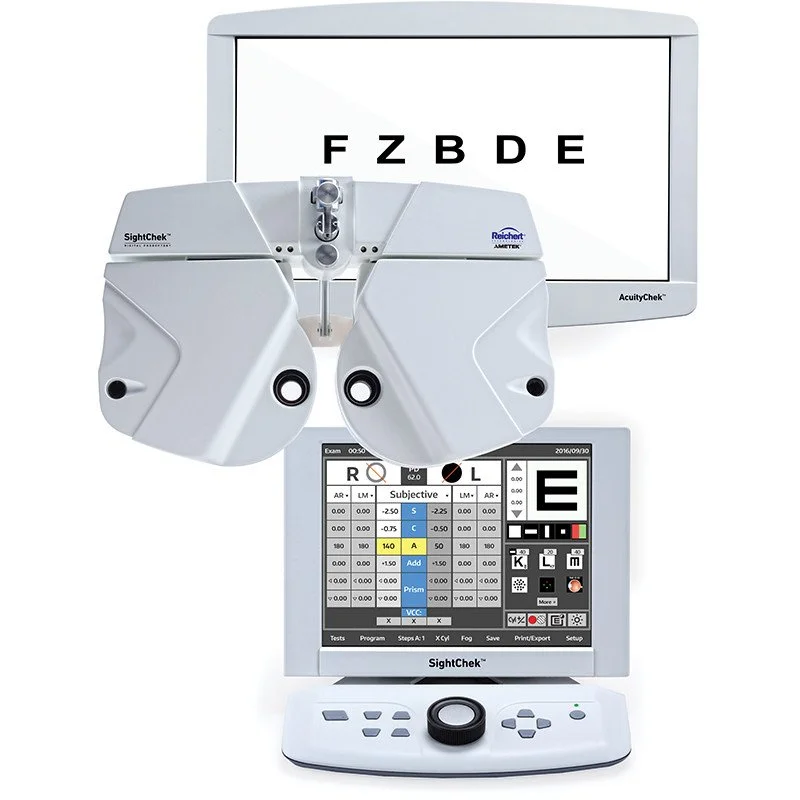
Checks your glasses prescription (“Which is better: 1 or 2?”). Since we are billing your medical insurance for the exam/imaging components, you cannot use other insurance for the refraction. This charge is paid out-of-pocket.
$37Optomap Imaging
Takes a 200-degree wide-field image of your retina. This is a screening photo which can help detect eye conditions missed by dilation drops. If you do not have a retinal condition that requires a fundus photo, you cannot use other insurance for Optomap imaging. This charge is paid out-of-pocket.